Important Disclaimer: This article provides general information only and is not a substitute for professional health advice, diagnosis, or treatment. The information contained herein should not be used to make decisions about home modifications without individual assessment from a qualified health professional. Before implementing any home safety modifications, particularly if you have specific health conditions, mobility concerns, or are managing a complex care situation, consult with a health professional such as an occupational therapist, aged care provider, or your GP who can assess your individual circumstances and provide personalised recommendations.
Making your home safer doesn’t require a complete renovation or months of planning. For many Australians—particularly those receiving aged care support, NDIS participants, and individuals working with occupational therapy services—simple, quick modifications can help reduce injury risk and support independence.
The statistics are sobering: in 2022–23, falls accounted for 43.4% of all injury-related hospital admissions in Australia, resulting in 238,055 hospitalisations. What’s more concerning is that approximately one in three people aged 65 and over fall at least once annually. Research indicates that coordinated, evidence-based interventions may help reduce falls by up to 34% within a year, and home safety modifications alone may help decrease fall risk by 26%.
The encouraging news? Many straightforward safety improvements are affordable and can be implemented within hours or days. This guide explores practical DIY home safety tweaks you can implement quickly to help create a safer living environment across Queensland, Victoria, New South Wales, and Tasmania.
Why Are Quick Home Safety Improvements So Critical?
Home hazards contribute significantly to preventable injuries, yet many Australians remain unaware of the risks lurking in everyday spaces. The bathroom represents a high-risk area in most homes, with wet surfaces, slippery tiles, and inadequate support creating hazardous conditions. Falls on stairs and steps resulted in 15,845 hospitalisations in 2022–23, whilst kitchen fires account for approximately 40% of all house fires.
Beyond the immediate physical injuries, falls create long-term consequences that extend far beyond broken bones. When hip fractures occur—90% requiring surgery—26% of patients don’t survive twelve months following the injury. Additionally, 48% of older Australians report fear of falling, with 25% subsequently curtailing their daily activities and social engagement.
The average hospital stay for fall-related injuries reaches 9.5 days, consuming over 1.2 million hospital bed days annually for Australians aged 65 and over. With falls-related costs projected to reach $1.4 billion by 2051 if current incidence rates continue, prevention is recognised as a critical health priority affecting communities across Brisbane, Melbourne, Sydney, and regional areas throughout Australia.
What makes DIY home safety tweaks you can implement quickly particularly valuable is their potential for immediate impact. Unlike complex structural modifications requiring months of planning, approvals, and professional installation, these straightforward changes can be implemented within days.
What Are the Most Dangerous Areas Requiring Quick Safety Fixes?
Understanding where injuries most commonly occur helps prioritise your safety improvements effectively. Research consistently identifies specific high-risk zones throughout Australian homes.
Bathrooms: A High-Risk Zone
Bathrooms are consistently identified as high-risk rooms for fall-related injuries. The combination of hard surfaces, water exposure, limited space, and frequent transitions between sitting and standing creates multiple hazard points. The primary risks include wet and slippery tiles, high bathtub edges requiring significant leg lift, inadequate grab rail support, and poor lighting—particularly problematic during nighttime bathroom visits.
Before making bathroom modifications, consider consulting with a health professional or occupational therapist who can assess your specific needs and mobility patterns. That said, common modifications often include installing grab rails at strategic points—beside toilets, within showers, and near bath entry points—which may provide support during transfers. These rails should be mounted securely into wall studs, as towel rails lack sufficient strength for weight-bearing support. Quality grab bars cost between $20–$80 per unit and can typically be installed within an hour.
Non-slip treatments represent another modification option. Adhesive-backed anti-slip strips or stickers applied to shower and tub floors cost only $13–$30 and are designed to improve traction on wet surfaces. Combined with rubber-backed non-slip bath mats, these modifications can help create safer bathing conditions.
Raised toilet seats—adding 7.5–12.5 cm in height—may reduce strain on knees and hips whilst making sitting and standing transitions easier. Available for $30–$50, these modifications install without tools in minutes.
Kitchen Areas: Fire and Fall Risks Combined
Kitchens present dual hazards: slip and trip risks from spills combined with significant fire danger. The priority for quick safety improvements centres on electrical safety and fire prevention.
Critical electrical safety measures include never overloading power points, using only one appliance per outlet, avoiding running cords under rugs or through doorways, and unplugging appliances when not in use. These behavioural changes cost nothing yet may help reduce electrical fire risk.
Fire prevention requires keeping cooking areas clean and free from grease buildup, maintaining at least one metre distance between heat sources and flammable materials, and never leaving cooking unattended. Installing smoke alarms throughout your home—costing $15–$40 each—represents an important fire safety measure designed to reduce fatal fire risk when properly functioning.
Stairs and Steps: High-Impact Injury Zones
Falls on stairs frequently result in severe injuries including fractures, head trauma, and spinal injuries. The key contributing factors include inadequate lighting, loose or worn carpet, missing or insecure handrails, and poor step visibility.
Research indicates that improving room lighting may help reduce falls, with some studies demonstrating a 35% reduction with increased lighting in falls that occur in particular environments. Installing lights at both the top and bottom of stairs—with switches at each end—costs approximately $30–$100 and may help create safer conditions. Motion-activated stair lights ($15–$50) provide hands-free illumination, eliminating the need to fumble for switches whilst carrying items.
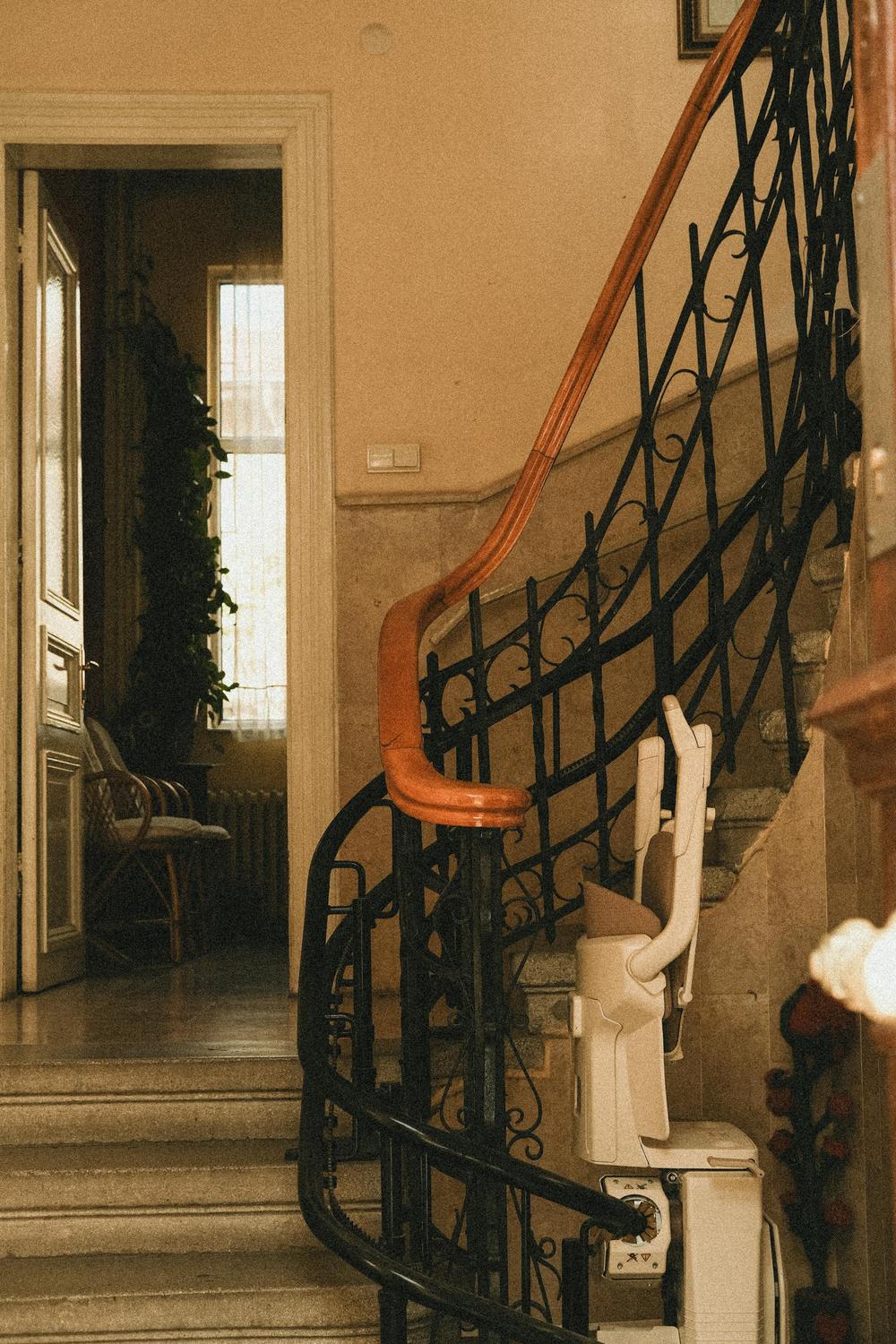
Handrails should be secure and present on both sides of staircases. Checking existing handrails for stability takes minutes, whilst installing additional grab rails costs $30–$80 per unit. Marking step edges with white paint or contrast tape ($5–$20) may improve visibility, particularly for those with reduced vision. However, before undertaking significant stair modifications, it’s advisable to seek advice from a health professional about your individual needs.
How Can You Implement Quick Lighting Improvements Throughout Your Home?
Lighting is often identified as one of the fastest, most cost-effective safety modifications available. Inadequate illumination may contribute to falls across all age groups, yet many Australian homes remain underlit, particularly in transitional areas and during nighttime hours.
Strategic Pathway Lighting
Creating illuminated pathways from bedrooms to bathrooms addresses one of the highest-risk scenarios—nighttime toilet visits. Motion-sensor nightlights placed along this route activate automatically at foot level, providing guidance without requiring switches. These units cost $15–$25 each and install with adhesive backing or simple plugs, requiring no electrical knowledge.
Floor-level LED strips ($20–$40) offer another quick solution, particularly effective along hallway baseboards. These battery-operated or plug-in strips create continuous visual guidance whilst minimising sleep disruption from bright overhead lights.
Stairway and Hallway Illumination
Hallways benefit from even, consistent lighting rather than single bright points creating shadows and glare. Wall-mounted lights positioned every 1.8–2.4 metres provide adequate coverage. Motion-sensor fixtures eliminate the need to locate switches in darkness, with units available for $15–$50 each.
Increasing general room lighting levels may help with safety. LED bulbs providing 800+ lumens ensure adequate brightness for general living areas, whilst task areas benefit from 1000+ lumen output. Replacing existing bulbs represents a quick, inexpensive upgrade completed in minutes per room.
Bathroom Lighting Enhancements
Bathrooms benefit from bright, even lighting covering entry points, toilet areas, and shower/bath zones. Installing a motion-sensor nightlight near the bathroom door ($15–$25) may help create safe navigation for nighttime visits without harsh overhead lights disrupting sleep patterns.
What Fire Safety Measures Can You Implement Immediately?
Fire safety modifications represent an important area of home safety. With kitchen fires representing approximately 40% of all house fires, prioritising these measures may help protect both property and lives.
Smoke Alarm Installation and Testing
Smoke alarms are recognised as important safety equipment, yet many Australian homes lack adequate coverage or maintain non-functioning units. Install working smoke alarms in every bedroom, hallway, and living area. Test monthly by pressing the test button, and replace batteries annually—many people use daylight saving time changes as convenient reminders.
Working smoke alarms are designed to play an important role in fire safety, making this $15–$40 investment per alarm a significant fire prevention measure.
Kitchen Fire Prevention Quick Wins
Maintaining clear spaces around cooking areas requires behavioural changes rather than purchases. Keep flammable items—including tea towels, oven mitts, and paper products—at least one metre from heat sources. Clean stovetops, ovens, and rangehoods regularly to prevent grease and dust accumulation that can ignite.
Installing a fire blanket ($10–$30) and fire extinguisher ($20–$40) in your kitchen provides immediate response capability. Position these items between the stove and exit point, ensuring you can access them without reaching through flames.
Never leave cooking unattended, even briefly. This simple behavioural modification may help prevent the majority of cooking-related fires.
Electrical Safety Protocols
Electrical fires often result from overloaded circuits and damaged cords. Quick safety measures include using only approved power boards with built-in safety switches ($20–$50), limiting each outlet to one appliance, and immediately replacing frayed or damaged cords.
Extension cords should serve temporary purposes only—never run them under carpets, rugs, or through doorways where damage can occur. Unplugging appliances when not in use may help reduce standby electrical load and eliminate potential ignition sources.
Clothes dryers present particular fire risks. Clean lint filters after every load, as lint accumulation represents a major fire hazard. Never operate dryers whilst away from home or overnight.
Which Simple Modifications May Support Mobility?
For NDIS participants, aged care recipients, and individuals working with occupational therapy services, modifications supporting safe mobility and transfers may help support independence alongside injury risk reduction. Before implementing any mobility-related modifications, individual assessment from a qualified health professional is recommended to ensure modifications are appropriate for your specific needs.
Grab Rails and Support Systems
Strategic grab rail placement may help transform bathrooms from hazardous zones into safer, more accessible spaces. Installation typically involves mounting into wall studs rather than plaster alone, which may require professional assistance to ensure maximum security for weight-bearing applications.
Shower areas may benefit from multiple grab rail positions: one near the entry for stability whilst stepping over barriers, another inside the shower for support whilst washing, and a third positioned for safe transitions between sitting (on shower chairs) and standing positions.
Portable and Removable Solutions for Renters
Renters face particular challenges implementing home modifications, as permanent installations typically require landlord approval and may not transfer between properties. Quick, removable solutions include adhesive-backed non-slip strips for showers and baths ($13–$30), portable ramps for threshold transitions, foldaway shower chairs with secure, non-slip feet, plug-in nightlights requiring no installation, under-bed LED lighting kits with adhesive mounting, and lever tap adapters that slide over existing round knobs.
Suction-cup grab bars provide temporary support but should not replace permanently mounted rails for regular weight-bearing use, as suction strength varies significantly with surface conditions.
Door Hardware Modifications
Replacing round doorknobs with lever-style handles ($10–$20 each) may provide easier operation for individuals with arthritis, reduced grip strength, or limited dexterity. This modification typically requires only a screwdriver and takes 15–30 minutes per door.
Comparing DIY Safety Modifications by Implementation Speed and Cost
| Safety Modification | Implementation Time | Approximate Cost (AUD) | Potential Benefits | Rental-Friendly |
|---|---|---|---|---|
| Smoke alarm installation | 15 minutes per unit | $15–$40 | Important fire safety measure | Yes (battery units) |
| Motion-sensor nightlights | 5 minutes per unit | $15–$25 | May help reduce falls in pathways | Yes (plug-in/adhesive) |
| Bathroom grab rails | 30–60 minutes | $20–$80 per rail | May support transfer safety | Requires mounting holes |
| Non-slip bath strips | 15 minutes | $13–$30 | May reduce wet surface slips | Yes (adhesive backing) |
| Raised toilet seat | 5 minutes | $30–$50 | May reduce strain on knees/hips | Yes (removable) |
| Fire blanket & extinguisher | 10 minutes | $30–$70 combined | Fire response capability | Yes (no installation) |
| Stair edge contrast marking | 30 minutes | $5–$20 | May improve step visibility | Yes (removable tape) |
| Clutter removal | 1–2 hours | Free | May eliminate trip hazards | Yes |
| Lever door handles | 15–30 minutes per door | $10–$20 each | May support easier operation | Requires hardware change |
This comparison demonstrates that many modifications are quick to implement and cost-effective. Prioritising quick wins—particularly smoke alarms, nightlights, and clutter removal—can be implemented quickly, whilst you consider whether to seek professional assessment for more complex modifications.
How Should You Prioritise Your Home Safety Improvements?
When implementing DIY home safety tweaks you can implement quickly, strategic prioritisation may help you address areas of concern first whilst managing time and budget constraints effectively.
Immediate Priority Actions (Day 1–2)
Begin with zero-cost behavioural changes and quick installations:
- Install and test smoke alarms on all floors, ensuring functional batteries and proper positioning.
- Clear all walkways of clutter, shoes, papers, and obstacles creating trip hazards.
- Secure loose rugs with double-sided tape or non-slip backing, or remove entirely.
- Install nightlights along the bedroom-to-bathroom pathway.
- Remove all items from stairs, creating clear, unobstructed pathways.
- Check emergency contact numbers, ensuring mobile phones remain charged and accessible.
These actions require no special skills, minimal cost, and can be implemented quickly.
Short-Term Priorities (Week 1)
Following immediate actions, focus on equipment installations requiring basic tools:
- Consider professional assessment before installing bathroom grab rails to ensure appropriate placement and secure installation.
- Apply non-slip treatments to shower and bath surfaces.
- Add lighting at stair tops and bottoms, or upgrade existing fixtures.
- Rearrange furniture to create wide, clear pathways accommodating mobility aids.
- Stock or refresh first aid kit, fire extinguisher, and fire blanket.
Many occupational therapy services and NDIS providers recommend professional home assessments to identify potential hazards and ensure modifications are appropriate for your specific circumstances. Whilst quick DIY modifications address common risks, individualised assessment considers specific mobility patterns, health conditions, and daily routines.
Medium-Term Priorities (Weeks 2–4)
More complex modifications that may benefit from professional guidance or installation include:
- Raised toilet seat installation following assessment of your mobility needs.
- Handheld showerhead installation requiring plumbing connections.
- Motion-sensor lighting systems for comprehensive coverage.
- Professional grab rail installation where wall stud location proves challenging or weight-bearing safety is a concern.
- NDIS or aged care assessment scheduling for eligible participants considering funded modifications.
Supporting Independence Through Thoughtful Modifications
The goal of implementing DIY home safety tweaks you can implement quickly extends beyond injury prevention alone. For many Australians receiving support through aged care services, NDIS funding, or occupational therapy, maintaining independence and dignity within their homes represents a fundamental quality of life priority.
Research indicates that environmental modifications, when combined with appropriate exercise programmes, vision correction, and medication review, may deliver stronger outcomes. Home safety interventions form part of a broader approach to wellbeing. It’s important to note that a one-size-fits-all approach may not be appropriate for everyone, and individual assessment from a qualified health professional is recommended to identify which modifications are suitable for your specific circumstances.
Under the Strengthened Aged Care Quality Standards effective from November 2025, aged care providers must implement processes reducing falls and harm from falls whilst supporting continued movement to prevent physical ability loss. This balanced approach recognises that eliminating all risk proves neither possible nor desirable—individuals maintain the right to take reasonable risks supported by appropriate safety measures.
For NDIS participants, home modifications must meet “reasonable and necessary” criteria, demonstrating a direct relationship to the participant’s disability, cost-effectiveness, and genuine benefit toward independence and safety. Simple modifications under $1,500—including grab rails, non-slip treatments, and basic equipment—often receive approval quickly, whilst complex structural modifications require comprehensive occupational therapy assessment and multiple builder quotes.
Occupational therapy home assessments provide personalised insight into your home environment, identifying risks specific to individual mobility patterns, health conditions, and daily routines. These professionals can recommend evidence-based modifications and help you navigate funding pathways, property constraints, and personal preferences.
Important Note: Before implementing home modifications, particularly those related to mobility support or if you have specific health concerns, we encourage you to seek individual assessment from a qualified health professional such as an occupational therapist, physiotherapist, or your GP. They can provide personalised recommendations based on your circumstances. If you would like to discuss home safety assessment and modifications, you may wish to contact a registered occupational therapy service in your area who can provide professional guidance tailored to your individual needs.