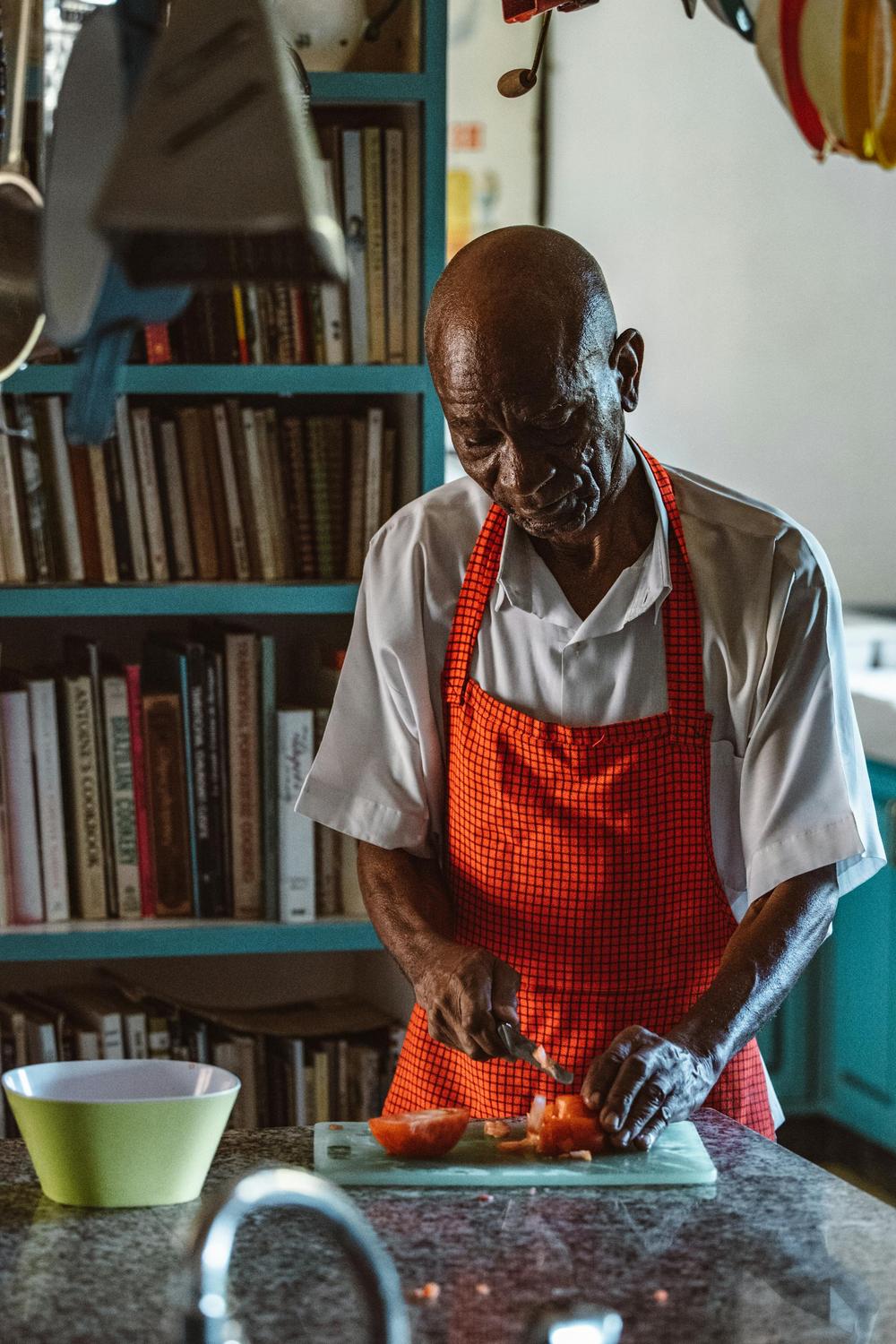
Standing in the kitchen can feel overwhelming when simple tasks become challenging. Perhaps chopping vegetables requires concentration that wasn’t needed before, or following a recipe feels impossibly complex. Maybe standing at the stove causes fatigue, or remembering the sequence of cooking steps seems just out of reach. For many Australians living with disability, recovering from injury, or navigating the changes that come with ageing, the kitchen—once a space of creativity and nourishment—can transform into a source of frustration and lost independence.
Meal preparation isn’t simply about putting food on the table. It represents autonomy, cultural connection, and the ability to care for oneself and loved ones. When individuals struggle with cooking, they’re not just missing meals; they’re losing a fundamental aspect of independent living, identity, and quality of life. This is where occupational therapy strategies become invaluable, offering evidence-based pathways to rebuild confidence and capability in the kitchen.
What Makes Meal Preparation a Complex Occupational Task?
Meal preparation stands as one of the most intricate instrumental activities of daily living (IADLs), demanding far more than basic coordination. This occupation requires seamless integration of multiple ability domains working simultaneously.
From a physical perspective, cooking involves strength for lifting heavy pots, endurance to stand throughout preparation, fine motor control for tasks like chopping and peeling, and gross motor coordination for reaching overhead cupboards. Balance becomes critical when moving between workstations, while sensory abilities—particularly vision and tactile sensation—guide safe knife handling and temperature assessment.
The cognitive demands are equally substantial. Executive function orchestrates the entire process: planning the meal, initiating tasks despite competing demands, sequencing steps in a logical order, and maintaining working memory to juggle multiple elements simultaneously. Attention filters out kitchen distractions, and time management coordinates the timing across various cooking components. Problem-solving becomes essential when unexpected issues arise, such as missing ingredients or recipe adjustments.
Psychosocial factors also play a significant role. Motivation, confidence, and emotional regulation influence how individuals approach meal preparation, while cultural and spiritual factors determine the importance of certain foods and recipes. Additionally, the environmental setup, including kitchen layout, lighting, flooring, and equipment placement, impacts one’s ability to cook independently.
How Do Occupational Therapists Assess Meal Preparation Abilities?
Assessment forms the cornerstone of effective intervention. Occupational therapists evaluate functional performance within the home environment rather than relying solely on clinical settings. Standardized tools such as the Lawton Instrumental Activities of Daily Living Scale, Kitchen Task Assessment, and the Assessment of Motor and Process Skills provide insights into the individual’s strengths and deficits.
These assessments are comprehensive, examining physical factors like strength, endurance, balance, and sensory processing, as well as cognitive elements such as executive function, working memory, and problem-solving skills. Psychosocial aspects, including motivation and confidence, are also evaluated. Environmental analyses help identify any kitchen modifications needed to enhance accessibility and safety. This holistic approach ensures that interventions are tailored to the specific barriers an individual faces in their daily cooking routines.
What Evidence-Based Strategies Build Cooking Independence?
Multiple intervention strategies have been identified through research as effective in enhancing cooking independence:
- Skills Training: Focuses on developing specific cooking competencies including safe equipment handling, nutritional understanding, and task sequencing. This approach builds confidence through mastery of individual skills.
- Group Facilitation: Offers structured group sessions that promote social interaction, peer learning, and motivation. Group settings can boost mental health and reduce social isolation, scientifically proven to improve self-esteem and social participation.
- Environmental Modification: Involves changes to the kitchen layout, improved lighting, and the reorganization of equipment to make tasks more manageable and reduce risks.
- Activity Modification: Simplifies cooking tasks by breaking them into manageable steps, using pre-prepared ingredients, or adapting recipes. This strategy helps reduce both the cognitive and physical demands of cooking.
- Cognitive Strategies: Address executive function challenges by providing tools like simplified checklists, environmental cueing, and assistive technologies. These modifications support planning, sequencing, and memory, critical for those facing cognitive impairments.
How Can Executive Function Challenges Be Addressed in the Kitchen?
Executive function deficits, common among those with brain injury, dementia, or other neurological conditions, can severely impact cooking. To address these challenges, occupational therapists recommend:
- Simplified Checklists: Written step-by-step guides help reduce memory demands during cooking.
- Environmental Structure and Cueing: Organizing workspaces, reducing visual distractions, and using timers assist in managing time and maintaining focus.
- Assistive Technology: Devices such as smart tablets for recipe guidance, voice-activated appliances, and cognitive orthosis applications help compensate for executive dysfunction.
- Metacognitive Strategies: Techniques like video feedback, self-talk training, and errorless learning help individuals develop self-monitoring skills crucial for independent cooking.
- Hands-on Learning Approaches: Repeated practice in real or simulated kitchen environments, coupled with feedback, ensures skill acquisition and helps build the confidence necessary for independent meal preparation.
What Physical Adaptations and Equipment Support Cooking Independence?
For individuals facing physical limitations—whether due to arthritis, stroke, Parkinson’s disease, or age-related changes—specific adaptive equipment can make a significant difference:
- For Limited Hand Strength: Adaptive utensils with built-up handles, ergonomic kitchen tools, and easy-open containers reduce physical strain during meal preparation.
- For Limited Fine Motor Control: Pre-cut vegetables, one-handed cutting boards, and adaptive jar openers help maintain independence without compromising safety.
- For Limited Reach and Mobility: Adjustable countertops, pull-out shelves, and under-counter ovens bring essential tools and appliances within easy reach.
- For Standing Tolerance Issues: High-backed chairs, kitchen islands with seating, and the incorporation of seated work periods allow individuals to rest while cooking.
- For Vision Impairments: Improved task lighting, high-contrast work surfaces, and tactile markings help create a safer and more navigable kitchen environment.
How Do NDIS and Aged Care Support Meal Preparation?
Australian funding frameworks like the National Disability Insurance Scheme (NDIS) and aged care support programmes provide essential assistance for those facing meal preparation challenges.
The NDIS recognizes meal preparation as part of core supports—covering assistance with meal planning, cooking, and environmental modification when a disability directly impacts these activities. Meanwhile, aged care funding, through programmes like Support at Home, assists older Australians in maintaining their independence by providing support workers, safety modifications, and tailored cooking strategies.
Occupational therapy services under both funding models conduct in-depth assessments to identify barriers and recommend the most appropriate interventions. Mobile services and home-based assessments ensure that interventions are effective in the actual cooking environment, leading to meaningful improvements in independence and quality of life.
Moving Forward: Your Kitchen, Your Independence, Your Way
Building independence in meal preparation isn’t about perfection—it’s about reclaiming a vital part of daily life. Whether the challenge is physical, cognitive, or environmental, occupational therapy offers a pathway to rediscovering the joy and independence of cooking. Through targeted assessments, skills training, environmental modifications, and adaptive equipment, individuals can achieve a level of autonomy that respects their unique needs and goals.
Research shows that regaining independence in the kitchen not only improves nutritional status but also enhances self-esteem, reduces social isolation, and reinforces cultural connections. With the right interventions, your kitchen can once again become a place of creativity, comfort, and empowerment.
What types of kitchen equipment are commonly recommended by occupational therapists for people with limited hand strength?
Occupational therapists often recommend equipment such as built-up handle utensils to increase surface contact, ergonomic kitchen tools designed to reduce joint stress, lever-style tap handles to eliminate twisting movements, and products like OXO Good Grips. Adaptive jar openers, easy-open containers, and one-handed cutting boards are also frequently suggested, all tailored to individual needs based on grip strength, range of motion, and functional goals.
How does occupational therapy for meal preparation differ between NDIS and aged care funding?
NDIS funding applies when a disability directly affects cooking safety or ability—with a focus on building independence and skill development—covering aspects such as safe stove use and meal planning. Conversely, aged care funding supports older Australians experiencing functional decline by emphasizing compensation strategies, safety modifications, and support worker training. Both models fund comprehensive assessments, equipment recommendations, and environmental modifications, but they differ in eligibility criteria and therapeutic focus.
Can occupational therapy help someone with dementia continue cooking safely?
Yes, occupational therapy can support individuals with mild to moderate dementia in maintaining meal preparation skills. Strategies include environmental modifications to reduce distractions, simplified step-by-step checklists to support memory, routine-based approaches, visual and verbal cueing, and safety features such as automatic stove shut-offs. Additionally, caregiver training can help ensure a safe cooking environment while preserving engagement in meaningful activities.
How long does it typically take to see improvements in cooking independence with OT intervention?
Improvement timelines vary based on individual circumstances, underlying conditions, and the complexity of barriers. Some individuals may notice immediate benefits from simple equipment modifications or environmental changes, while skill development and cognitive strategy adoption typically require several weeks to months of regular practice and intervention. Occupational therapists tailor timeframes during goal-setting and continuously adjust interventions based on progress.
Are group cooking programmes available through occupational therapy services in Australia?
Yes, group cooking programmes are an established intervention in occupational therapy across Australia. These programmes offer structured group sessions that focus on skill development, social interaction, and peer learning. They are available through various providers including NDIS-funded services, community mental health services, aged care day programmes, and community rehabilitation services. Individuals interested in such programmes should consult their occupational therapist or local service providers for options in their area.