
Important note: The information in this article is general and informational in nature only. It does not constitute medical or health advice and is not a substitute for personalised assessment or guidance. Please consult a registered health practitioner to discuss your individual needs, circumstances, and goals before making changes to your health or daily routines.
There are mornings when even the smallest decisions feel overwhelming. What to eat, when to shower, whether there’s time to exercise – and before the day has truly begun, mental energy is already depleted. For many Australians living with disability, managing the challenges of ageing, or navigating complex health needs, this experience is not occasional – it is daily. Structuring daily routines to promote wellbeing is one strategy that some research suggests may help people regain a sense of control, consistency, and quality of life. And yet, for many, knowing where to start remains the hardest part.
Why Does Structuring Daily Routines Matter for Wellbeing?
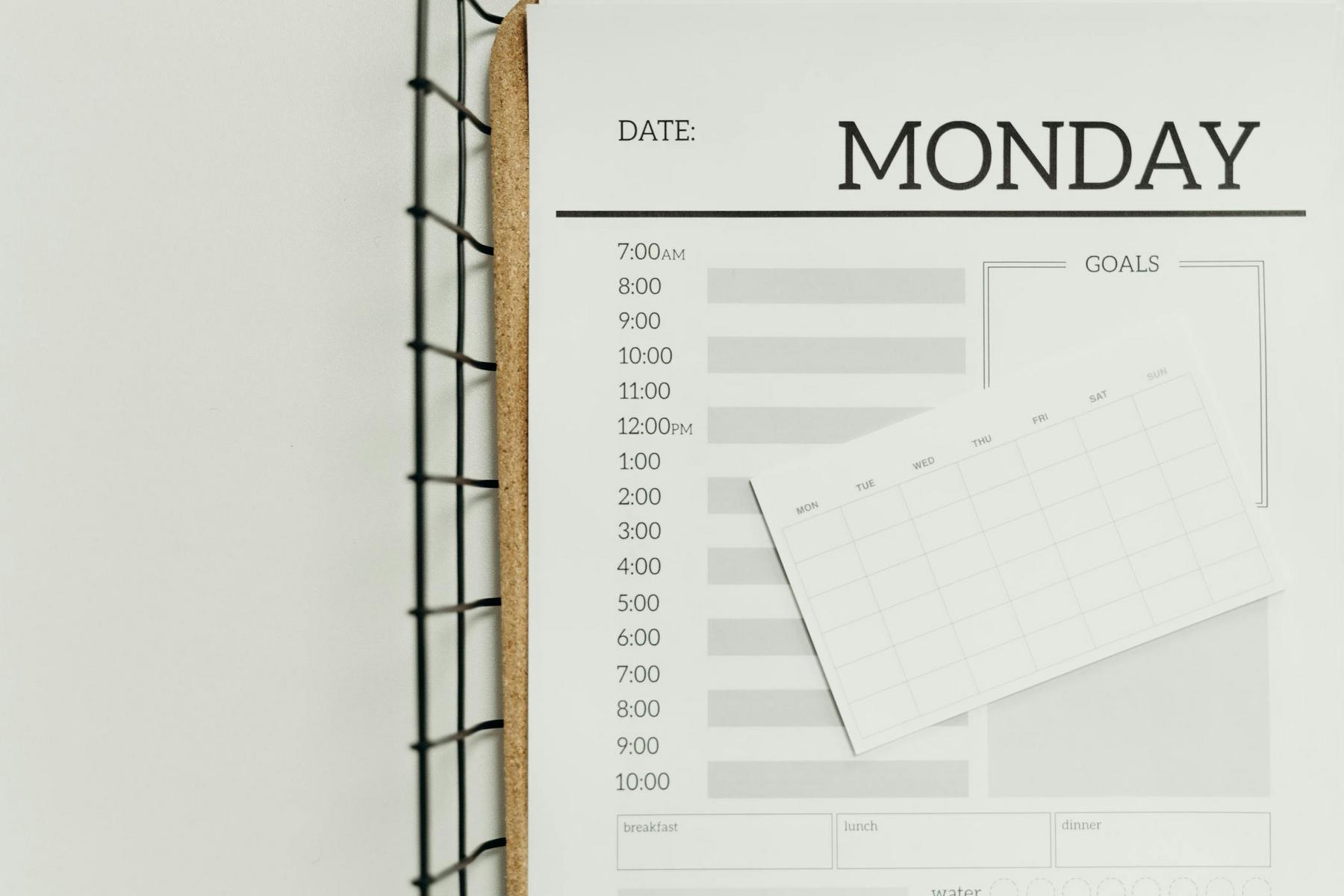
A daily routine is more than a to-do list. Research describes routines as recurring, structured patterns of behaviour – including when we wake, eat, move, and sleep – that create a sense of coherence and predictability in everyday life. When these patterns are consistent, they may support what researchers call self-efficacy: the belief in one’s ability to manage one’s own life.
Two key theoretical frameworks describe the connection between routines and health:
- The Structured Days Hypothesis (primarily studied in children) identifies that consistent daily structure may positively shape behaviour and reduce risk-taking.
- The Social Zeitgeber Model (relevant to adults) describes how routines may act as anchoring structures for physical activity, sleep quality, and dietary habits.
Some research suggests that individuals with lower levels of daily routine report higher levels of anxiety and depressive symptoms compared to those with more structured routines. Additionally, some studies indicate that people who maintain consistent sleep schedules may have a lower risk of depression and anxiety compared to those with irregular sleep patterns.
Structuring daily routines to promote wellbeing is not about rigid scheduling – it is about creating a reliable framework from which life can flow more easily.
What Does a Wellbeing-Focused Daily Routine Actually Include?
A wellbeing-promoting daily routine encompasses far more than productivity. It may integrate physical, psychological, and social elements across the day. The core components often considered include:
Sleep and Circadian Rhythm
The body’s circadian rhythm – its internal clock – is understood to regulate mood, temperature, and metabolism. Some research suggests most adults aged 18 to 64 may benefit from seven to nine hours of sleep each night. Consistency in sleep and wake times, even on weekends, is considered by many researchers to be one of the foundations of a healthy routine. Some research suggests that maintaining a similar bedtime and wake time each day may support circadian rhythm and cortisol alignment.
Morning Routines
How a day begins may significantly influence how it unfolds. Some observations suggest that structuring mornings to include exposure to natural sunlight, a balanced breakfast with protein and fibre, and light movement could help reduce stress and decision fatigue before the working day even starts. Incorporating a five-to-ten minute mindfulness or breathing practice may also support emotional regulation for some individuals.
Physical Activity
Some guidelines and research suggest approximately 150 minutes of moderate-intensity activity (such as brisk walking) or 75 minutes of vigorous activity weekly, spread across the week rather than concentrated on a single day, may be broadly beneficial. Some research involving large adult populations has found that people who exercise regularly may report fewer days of poor mental health per month compared to those who do not. Some studies also suggest that even short daily walks may be associated with a lower risk of depression, though individual results can vary considerably.
Nutrition and Hydration
Scheduling regular meals and water breaks throughout the day may help prevent low blood sugar and dehydration – both of which some research associates with effects on mood, concentration, and energy. Consistent meal timing may also reduce the likelihood of impulsive food choices driven by hunger.
Screen Time Management
Unscheduled, passive screen time – particularly social media scrolling – is associated in some research with increased depression, anxiety, and social isolation. Intentionally scheduling digital breaks into daily routines may support sleep quality, reduce stress, and contribute to overall wellbeing for some people.
How Long Does It Take to Build a Healthy Daily Routine?
One of the most common reasons people abandon new routines is unrealistic expectations about how quickly habits form. Some research on habit formation suggests it takes an average of 66 days for a behaviour to become automatic – with a range of 18 to 254 days depending on the complexity of the behaviour and individual differences. Physical activity behaviours, for example, may take approximately 1.5 times longer to become automatic than eating or drinking habits.
Importantly, some research indicates that missing a single day does not necessarily derail the overall process. What may matter most is consistency over time, rather than perfection in the short term.
Practical strategies that may support sustainable routine-building include:
Start Small
Choosing one or two small, manageable changes rather than overhauling everything at once may help build momentum and confidence.
Habit Stacking
Attaching new habits to existing ones – for example, drinking a glass of water immediately after brushing teeth, or incorporating light stretching while waiting for the kettle to boil – is one approach some people find helpful.
Plan for Barriers
Identifying common obstacles and preparing solutions in advance – such as keeping a water bottle visible on the desk, placing walking shoes by the front door, or preparing meals the night before – may support consistency.
Allow Flexibility
Routines may be more sustainable when they are realistic and adaptable. During busy periods, scaling habits down rather than abandoning them entirely may support long-term adherence.
How Can Structuring Daily Routines Support NDIS Participants and Older Australians?
For Australians living with disability or navigating the complexities of ageing, structuring daily routines to promote wellbeing may take on particular significance.
Within the National Disability Insurance Scheme (NDIS) framework, daily living skills encompass the practical activities people perform each day to care for themselves and manage their lives – including personal care, meal preparation, household management, medication management, and community participation. Consistent daily routines may support NDIS participants in building independence, reducing reliance on external supports, and developing the confidence to manage everyday tasks.
For older adults, some research highlights that routine-based activity – including social interactions, walking, and mental stimulation – is associated with higher positive affect and reduced negative affect. Mental health needs among older Australians in residential and community settings are often underidentified. Structured daily engagement, alongside support from registered health practitioners, may form one part of a broader approach to holistic wellbeing for this group.
| Routine Component | Potential Wellbeing Consideration | Possible Relevance for NDIS/Aged Care |
|---|---|---|
| Consistent sleep and wake times | May be associated with reduced depression and anxiety | May help regulate mood and support cognition |
| Regular physical activity | Some research links this to improved mental health and reduced fatigue | May support mobility and reduce falls risk |
| Scheduled mealtimes | May help stabilise mood and energy | May aid medication management and nutrition |
| Morning structure | May reduce decision fatigue and stress | May support daily living independence |
| Screen time boundaries | Some research links this to improved sleep and reduced anxiety | May support social connection and focus |
| Stress regulation practices | Some approaches are associated with lower cortisol and improved focus | Generally considered accessible and low-cost |
What Role Does Occupational Therapy Play in Structuring Daily Routines to Promote Wellbeing?
Occupational therapy is one allied health discipline that may support the process of structuring daily routines to promote wellbeing. Occupational therapists have a broad scope of practice in assessing functional capacity and supporting individuals to live well in their everyday environments – whether at home, in the community, or in care settings.
The occupational therapy process for routine development may typically involve:
Functional Capacity Assessment
An evaluation of current abilities and the level of assistance required for everyday tasks.
Collaborative Goal Setting
Working alongside the individual to identify meaningful, person-centred goals – such as preparing meals independently or managing a consistent morning routine.
Task Analysis and Skill Building
Breaking complex daily tasks into smaller, manageable steps using evidence-informed strategies and practice over time.
Environmental Design
Recommending adjustments to the home or community environment that may support consistent habit formation, reduce overwhelm, and promote safety – including assistive technology where appropriate.
Visual Schedules and Sensory Considerations
Using visual supports such as picture boards or step-by-step charts to help individuals anticipate and sequence daily activities, while accounting for sensory factors that might disrupt routine adherence.
For NDIS participants, occupational therapy for daily living may be funded under the Capacity Building – Improved Daily Living category, with the aim of building long-term independence rather than ongoing reliance on supports. A registered occupational therapist can provide a personalised assessment to determine what approach may be most appropriate for an individual’s specific circumstances.
Structuring Your Routine: Knowing When It’s Working and When to Adjust
Establishing a routine is an ongoing, dynamic process. Rather than looking for perfection, it may be more useful to check in regularly on how a routine is serving you.
Some signs a routine may be supporting wellbeing:
- Steadier energy across the day
- Improved mood and emotional regulation
- Easier to concentrate and make decisions
- Better sleep quality
- Greater ability to manage stress
Some signs a routine may need adjustment:
- Consistently skipping key parts of the routine
- Feeling stressed or burdened by the structure
- Low motivation to engage with planned activities
A simple weekly reflection – asking what helped, what felt challenging, and what one small tweak might make the following week easier – is one practical approach for keeping a routine relevant and sustainable.
The Longer View: Why Daily Structure May Be Worth the Investment
Structuring daily routines to promote wellbeing is not a temporary fix or a rigid prescription. It is a dynamic, deeply personal process that may support physical health, mental wellbeing, and functional independence over time. When routines are built thoughtfully – with realistic goals, appropriate support, and room for flexibility – they may serve as useful scaffolding in everyday life. Outcomes, however, will vary from person to person, and there is no single approach that guarantees a particular result.
For those managing disability, ageing, or complex health needs, that scaffolding may be particularly valuable. A registered health practitioner can help determine what strategies are most appropriate for individual circumstances.
This article is intended as general information only and does not constitute professional health advice. For personalised guidance regarding your health, daily living, or functional needs, please consult a registered health practitioner.
What does structuring daily routines to promote wellbeing actually involve?
It involves creating consistent, predictable patterns throughout the day—such as regular sleep and wake times, scheduled mealtimes, physical activity, and planned breaks for rest or social connection—to support physical health, emotional regulation, and a sense of independence. The focus is on establishing a reliable framework rather than rigid scheduling.
How can an occupational therapist help me build a daily routine?
An occupational therapist can evaluate your current abilities, help identify barriers to maintaining a routine, and work with you to develop personalised strategies. This might include breaking tasks into smaller steps, using visual supports, making environmental modifications, and integrating assistive technology if needed. In many cases, support can be accessed through NDIS funding under the Capacity Building – Improved Daily Living category.
How long does it take for a new daily routine to become a habit?
Research suggests it takes an average of 66 days for a behaviour to become automatic, though this can range from 18 to 254 days depending on the complexity of the habit and individual factors. Consistency over time is more important than short-term perfection.
Can structuring a daily routine help with anxiety and low mood?
A structured routine can support improvements in mental health by promoting regular sleep, physical activity, and balanced nutrition, all of which are linked to better mood regulation and reduced anxiety. However, individual outcomes vary, so it is important to seek personalised guidance from a registered health professional.