Disclaimer: This article is intended for informational purposes only and does not constitute professional advice. It is not a substitute for assessment, diagnosis, or treatment by a qualified health professional. Please consult a registered occupational therapist or other appropriate healthcare provider regarding your individual circumstances.
Getting from A to B may seem simple, but for many Australians living with disability, recovering from illness, or navigating the challenges of ageing, community mobility represents something far deeper – it is the gateway to independence, social connection, healthcare access, and a life lived on one’s own terms. When that gateway narrows or closes, the consequences extend well beyond physical limitations. Community mobility training with an occupational therapist offers a structured, evidence-based pathway to support individuals in safely reclaiming their movement within the world around them.
What Exactly Is Community Mobility Training, and Why Does It Matter?
Community mobility is defined as planning and moving around in the community using public or private transportation, such as walking, driving, cycling, or accessing and riding in buses, taxis, rideshares, or other transport systems. Far from being a simple functional skill, community mobility underpins an individual’s ability to participate in meaningful daily life – attending medical appointments, grocery shopping, volunteering, maintaining friendships, and engaging in employment.
When community mobility is compromised, the consequences are significant. Loss of the ability to move safely through one’s community leads to what Occupational therapists describe as occupational loss – a reduction in meaningful activities that is associated in the literature with health decline, including increased depressive symptoms, social isolation, and reduced quality of life.
Community mobility training with an occupational therapist addresses this challenge through a holistic, person-centred approach. Rather than treating mobility as a purely physical issue, occupational therapy considers the full picture: physical capacity, cognitive function, psychosocial wellbeing, and environmental factors. This breadth of scope is what makes the occupational therapy approach well-suited to supporting mobility across the lifespan.
The falls data underscores the importance of this work. According to the Australian Institute of Health and Welfare (AIHW, 2023), falls contribute to 43% of injuries leading to hospitalisation, making them the leading cause of injury-related hospitalisations in Australia. Approximately 30% of people aged over 65 living in the community experience at least one fall per year, and more than 80% of injury-related hospitalisations in this age group are attributed to falls (AIHW, 2023).
What Does an Occupational Therapist Assess During Community Mobility Training?
A comprehensive assessment is the foundation of effective community mobility training. Occupational therapists take a multi-domain approach, evaluating the physical, cognitive, psychosocial, and environmental factors that influence how safely and confidently an individual moves through their community.
Physical Assessment
Physical assessment includes balance, gait, strength, endurance, coordination, range of motion, and vision. Several validated, standardised tools are used to objectively measure performance and fall risk.
Cognitive Assessment
Cognitive factors – including attention, memory, executive function, decision-making, and navigation skills – are assessed using tools such as the Montreal Cognitive Assessment (MoCA) and the Mini-Mental State Exam (MMSE). These factors are critical, particularly for tasks such as crossing roads safely, using public transport, and wayfinding in unfamiliar environments.
Psychosocial Assessment
Confidence, fear of falling, anxiety, motivation, and behaviour regulation all play a role in community participation. Addressing psychosocial barriers is often as important as physical rehabilitation.
Environmental Assessment
Home and community environments are assessed for hazards, accessibility, and barriers using validated tools such as the Home Falls and Accidents Screening Tool. This informs recommendations for home modifications, assistive technology, and community navigation strategies.
Key Standardised Assessment Tools
The table below outlines commonly used assessment tools in community mobility training with an occupational therapist:
| Assessment Tool | What It Measures | Time to Administer | Key Application |
|---|---|---|---|
| Timed Up and Go (TUG) | Mobility, balance, walking ability, fall risk | ~5 minutes | Broad population; fall risk screening |
| Berg Balance Scale (BBS) | Static and dynamic balance; fall risk | ~10–15 minutes | Stroke, Parkinson’s disease, MS, elderly |
| Five Times Sit-to-Stand (5TSTS) | Lower limb strength and balance | ~2–3 minutes | Fall risk; functional lower body power |
| Single Leg Stance Test | Postural control and balance | ~5 minutes | Fall history; Parkinson’s disease |
| Functional Reach Test (FRT) | Dynamic balance | ~5 minutes | Differentiating fallers from non-fallers |
| Activities-Specific Balance Confidence (ABC) Scale | Self-reported confidence in ambulatory activities | ~10 minutes | Identifying fear of falling; intervention planning |
| Canadian Occupational Performance Measure (COPM) | Occupational performance and satisfaction | ~20–30 minutes | Goal-setting and outcome measurement |
These tools, combined with clinical observation and client-reported outcomes, provide a comprehensive baseline from which individualised intervention plans are developed.
How Does Community Mobility Training with an Occupational Therapist Work in Practice?
Occupational therapy interventions for community mobility are tailored to each individual’s goals, strengths, and circumstances. They are broadly organised around five approaches: creating and promoting mobility opportunities, restoring functional skills, modifying approaches and environments, maintaining existing capabilities, and preventing decline or injury.
Strength and Balance Conditioning
Targeted exercises – including sit-to-stand training, heel raises, step-ups, tandem walking, single-leg stands, and dual-task training – are integrated into daily routines to support the physical foundations for safer movement. Published research has reported improvements in proprioceptive accuracy and mobility outcomes (as measured by the TUG test) in older adults following multicomponent occupational therapy interventions (source: peer-reviewed occupational therapy literature; readers are encouraged to consult relevant research databases for specific studies).
Home Safety Assessments and Modifications
Occupational therapists conduct structured walkthroughs of the home environment, identifying hazards such as poor lighting, loose rugs, slippery surfaces, and inadequate handrail support. Research has suggested that environmental modifications – including grab rail installation, non-slip surfaces, improved lighting, and stair edge markings – may be associated with reductions in falls among people aged 60 and older living in the community, with higher-risk groups potentially seeing greater benefit (source: peer-reviewed falls prevention literature; individual outcomes will vary).
Travel Training and Community Navigation
For those using public transport, ride-sharing services, or navigating community spaces independently, occupational therapists may provide practical travel training. This can include learning safe pedestrian navigation, using maps and GPS tools, and building confidence in unfamiliar environments.
Assistive Technology and Adaptive Equipment
Recommendations for mobility aids, personal alert systems, fall-detection devices, vehicle modifications, and smart home technology are provided based on individual assessment findings. Training in the safe use of equipment is a core component of the intervention.
Education and Behaviour Change
Motivational interviewing, SMART goal-setting, and hazard recognition training may support individuals in developing knowledge and confidence to maintain safety over the long term. Where appropriate, structured falls prevention programmes such as Stepping On or the Otago Exercise Program may also be incorporated.
Who Benefits from Community Mobility Training with an Occupational Therapist?
Community mobility training is relevant across a wide range of populations and life stages.
Older Adults and Aged Care Recipients
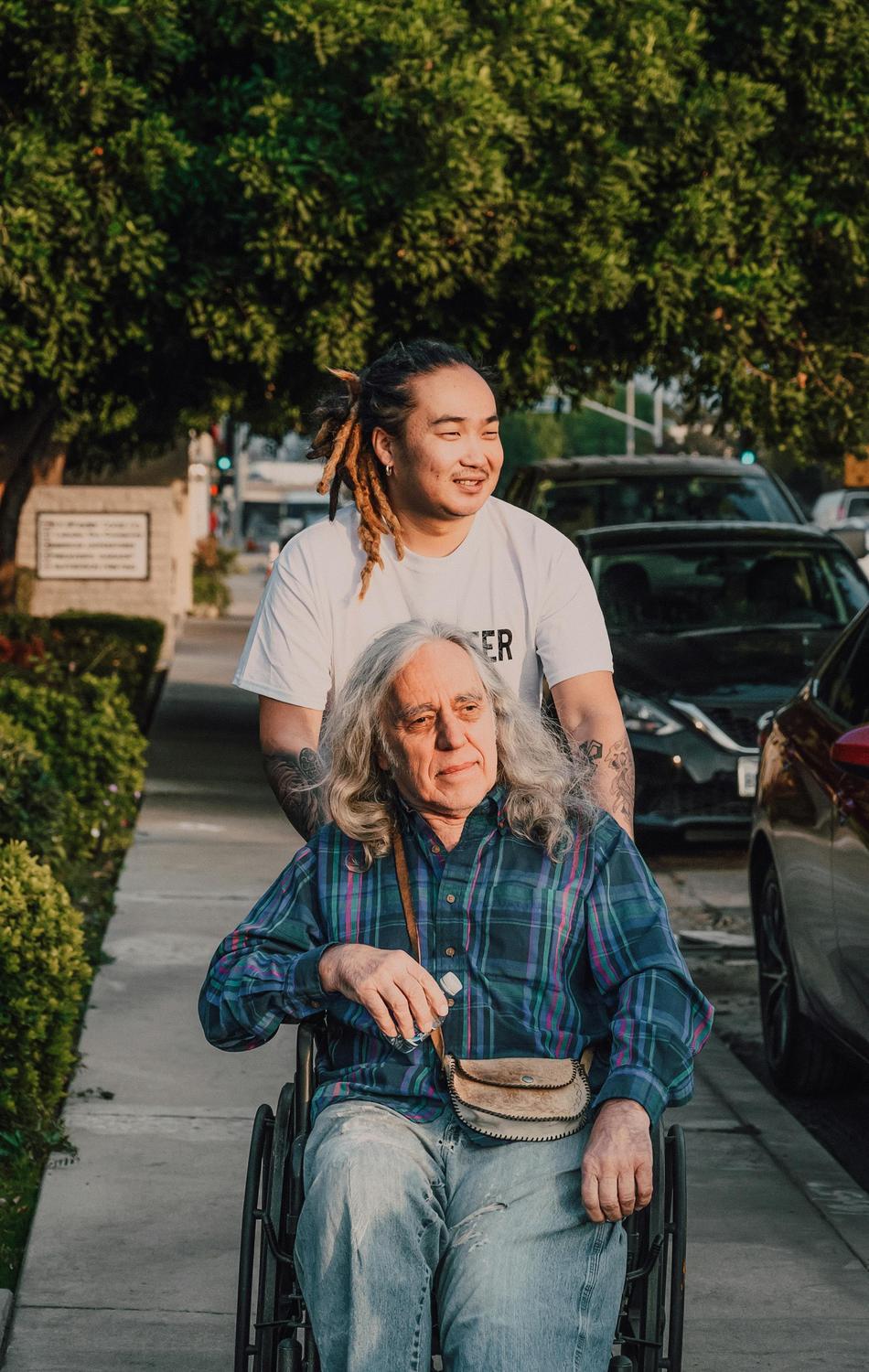
For older Australians, maintaining the ability to move safely within their community is closely tied to independence and quality of life. Falls prevention, mobility maintenance, home modification, and driving or transport alternatives are key focus areas.
NDIS Participants
Individuals living with acquired brain injury, spinal cord injury, stroke, Parkinson’s disease, multiple sclerosis, intellectual disability, and other conditions may benefit from structured community mobility training. Services may be funded under the NDIS Capacity Building category – Improved Daily Living sub-category.
Autistic Individuals
Research has indicated that occupational therapy driving and community mobility interventions for autistic adolescents and young adults may be associated with improvements in knowledge, skills, and confidence, as well as reductions in anxiety (source: peer-reviewed occupational therapy literature). Additionally, published research has reported an association between community mobility capability and employment outcomes in autistic people, though individual results will vary (source: peer-reviewed literature).
Wheelchair Users
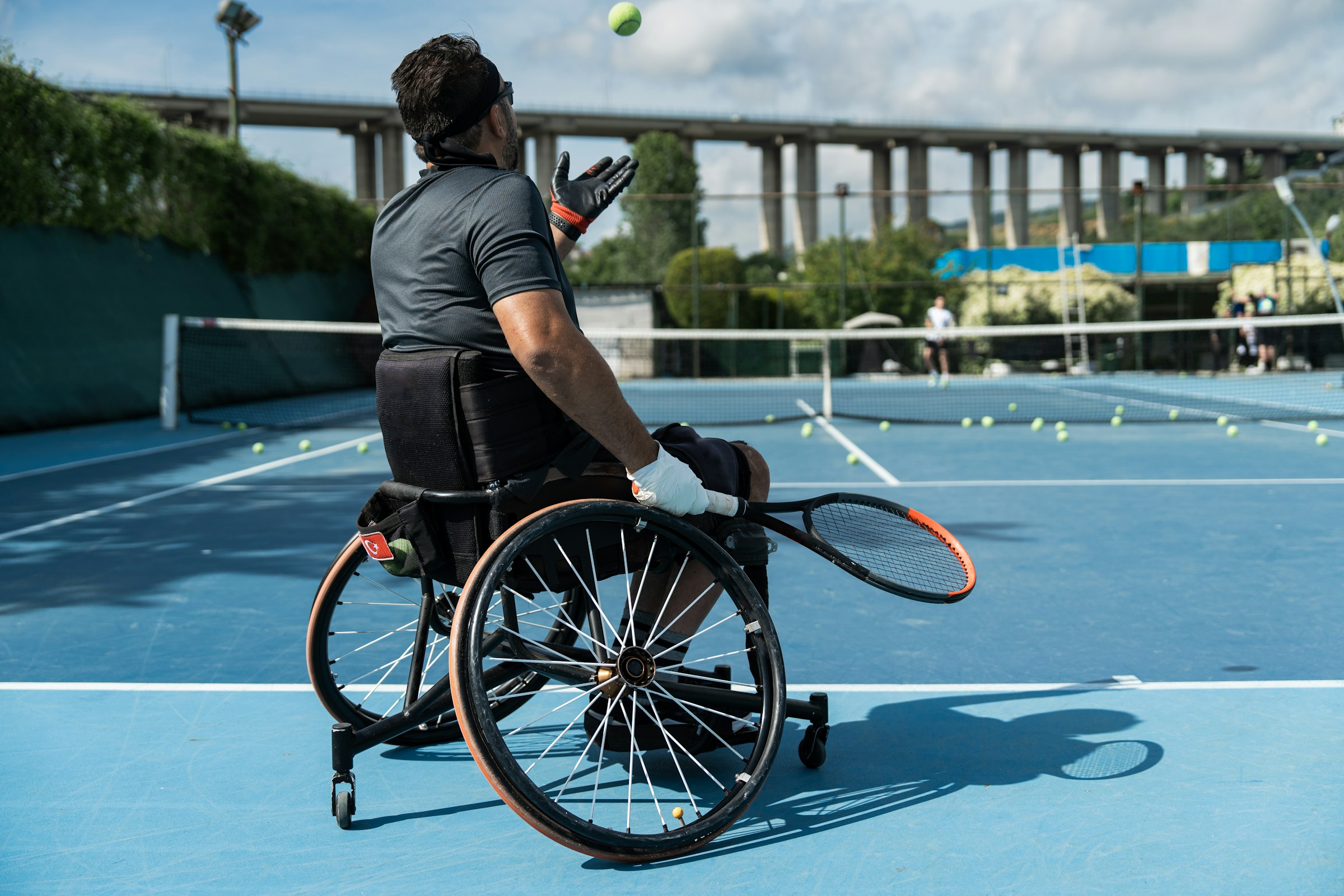
Research suggests that wheelchair skills training may enhance confidence, participation, and community access for people with spinal cord injury and other conditions. Peer-led and community-based programmes have shown promising results in some studies in relation to wheelchair outcomes, physical independence, and social inclusion (source: peer-reviewed rehabilitation literature).
How Is Community Mobility Training Funded in Australia?
In Australia, community mobility training with an occupational therapist is accessible through several funding pathways, making it available to a broad range of individuals.
Occupational therapy services for community mobility may fall under the NDIS Capacity Building support category, specifically the Improved Daily Living sub-category. This funding may cover assessment, therapy, skill development, assistive technology recommendations, and home modification assessments aimed at increasing independence and community participation. Eligibility and funding availability will depend on an individual’s NDIS plan.
For aged care recipients, services may be funded through Home Care Packages or the Commonwealth Home Support Programme (CHSP). Private clients, workers’ compensation, and insurance funding pathways may also be available depending on individual circumstances.
Individuals seeking community mobility training are encouraged to contact a registered occupational therapist or their relevant funding body to discuss options available to them, including in-person and telehealth delivery where applicable.
What Does the Research Say About Community Mobility Training?
Evidence supports the potential benefits of occupational therapy-delivered community mobility training across multiple populations, though it is important to note that individual outcomes will vary. A comprehensive meta-analysis reviewing studies involving 3,163 people aged 60 and over with chronic disabilities reported improvements in activities of daily living, social participation, and community mobility following occupational therapy intervention (source: published meta-analysis; refer to occupational therapy research literature for full details).
The OPTIMAL Programme – a community-based occupational therapy initiative – reported improvements in the frequency of activity participation, perceived performance, self-efficacy, independence in daily activities, and quality of life among participants (source: OPTIMAL Programme research literature). Additionally, published programme evaluations have reported that a proportion of participants transitioned to self-directed exercise regimens following occupational therapy guidance, suggesting the potential for durable benefits where programmes are well-structured (source: peer-reviewed literature; individual outcomes will vary).
These findings reflect the growing body of evidence supporting the role of occupational therapy in supporting community mobility, though outcomes for any individual will depend on their specific circumstances, goals, and engagement with intervention.
The Connection Between Mobility and Daily Life
Community mobility is not a clinical abstraction – it is the lived experience of being able to collect your grandchildren from school, attend your weekly social group, visit your GP without relying on others, or simply step outside and feel part of the world. When that ability is threatened, the impact can resonate through many dimensions of a person’s life.
Community mobility training with an occupational therapist offers a structured, evidence-based, and person-centred approach to supporting that participation. Through comprehensive assessment, individually tailored intervention, falls prevention strategies, environmental modification, and ongoing education, occupational therapists work with individuals of all ages and abilities to support safer and more confident movement through their communities.
Anyone seeking to explore community mobility training is encouraged to speak with a registered occupational therapist to discuss whether this type of intervention may be appropriate for their circumstances.
What is community mobility training with an occupational therapist?
Community mobility training with an occupational therapist is a structured, evidence-based programme that supports individuals in safely planning and moving through their community – whether walking, using public transport, driving, or navigating community environments. Occupational therapists assess physical, cognitive, psychosocial, and environmental factors, then develop personalised strategies to support safety, confidence, and independence in daily community participation. Outcomes will vary depending on individual circumstances.
Who is eligible for community mobility training under the NDIS?
NDIS participants whose plans include funding under the Capacity Building – Improved Daily Living category may be eligible for community mobility training with an occupational therapist. This may include individuals with a wide range of conditions, such as acquired brain injury, stroke, Parkinson’s disease, multiple sclerosis, autism, intellectual disability, and spinal cord injury. Eligibility depends on an individual’s NDIS plan. An occupational therapist or NDIS support coordinator can assist in clarifying how existing NDIS funding might support mobility-related goals.
Can community mobility training be delivered via telehealth?
Some components of community mobility training can be partially delivered via telehealth, including education sessions, goal-setting, exercise programme guidance, and follow-up support. Telehealth suitability will depend on individual circumstances and the nature of the intervention required. Individuals are encouraged to discuss telehealth options directly with a registered occupational therapist or service provider.
What is the difference between falls prevention and community mobility training?
Falls prevention is one important component of community mobility training, but community mobility training is broader in scope. It encompasses the full range of skills, strategies, and environmental adaptations that may support an individual to safely participate in their community – including transport access, pedestrian navigation, driving rehabilitation, wheelchair skills training, and public transport use. Falls prevention programmes address balance, strength, home safety, and behavioural strategies to reduce fall risk, and are often integrated within a broader community mobility training plan.
How long does community mobility training with an occupational therapist take?
The duration of community mobility training varies depending on the individual’s goals, functional capacity, and complexity of needs. Some individuals may work towards their goals within a few sessions, while others—particularly those with more complex conditions or multiple barriers to mobility—may benefit from ongoing support over a longer period. An occupational therapist will conduct an initial assessment and discuss a recommended intervention approach, including estimated timelines, based on each person’s unique circumstances.