
Independence is something many of us take for granted – until a fall, a diagnosis, or a gradual shift in physical ability begins to reshape the way we move through the world. Whether you’re recovering from surgery, managing a long-term condition, or supporting a family member whose needs have changed, navigating the world of mobility equipment can feel daunting. With options ranging from a simple walking cane to a sophisticated powered wheelchair, selecting mobility aids that fit your lifestyle is one of the most meaningful decisions a person can make.
The right mobility aid doesn’t simply help you get from A to B. It restores confidence, reduces fall risk, and supports meaningful participation in daily life – from moving around your own home to staying connected with your community. Choosing the wrong aid, however – or using it incorrectly – can introduce new risks and frustrations. This guide is designed to help you understand what’s available, what genuinely matters when making a choice, and how to access the professional support that makes all the difference.
What Types of Mobility Aids Are Available in Australia?
Mobility aids are assistive devices designed to help people who have difficulty moving around enjoy greater freedom and independence. They span a broad spectrum – from lightweight portable tools to complex, customised systems – and each is suited to different needs, abilities, and environments.
Walking Canes
Walking canes are among the most widely used mobility aids. A standard cane can support up to 25% of a person’s body weight and is well-suited to those managing mild balance difficulties, minor joint discomfort, or light recovery needs. Types include single-tip canes for gentle support, quad canes with four feet at the base for improved steadiness (research indicates quad-tip canes significantly improve stability compared to single-tip options), forearm canes for additional arm-level support, and white canes specifically designed for individuals with visual impairment.
Crutches
Crutches are appropriate when greater weight offloading is required, with axillary (underarm) crutches capable of supporting 80–100% of body weight. They are frequently used following lower-limb injuries or surgery. Forearm (Lofstrand) crutches are generally preferred for longer-term use, as they encourage a more natural gait pattern and allow momentary hand freedom without dropping the aid.
Walkers and Walking Frames
Walkers – sometimes called Zimmer frames – provide bilateral (two-sided) support and can bear up to 50% or more of a person’s body weight. Standard walkers require lifting with each step, while rollators (four-wheeled walkers) allow a more continuous motion and typically include padded seating for rest breaks. Rollators are particularly useful for individuals managing fatigue or needing to cover longer distances.
Wheelchairs
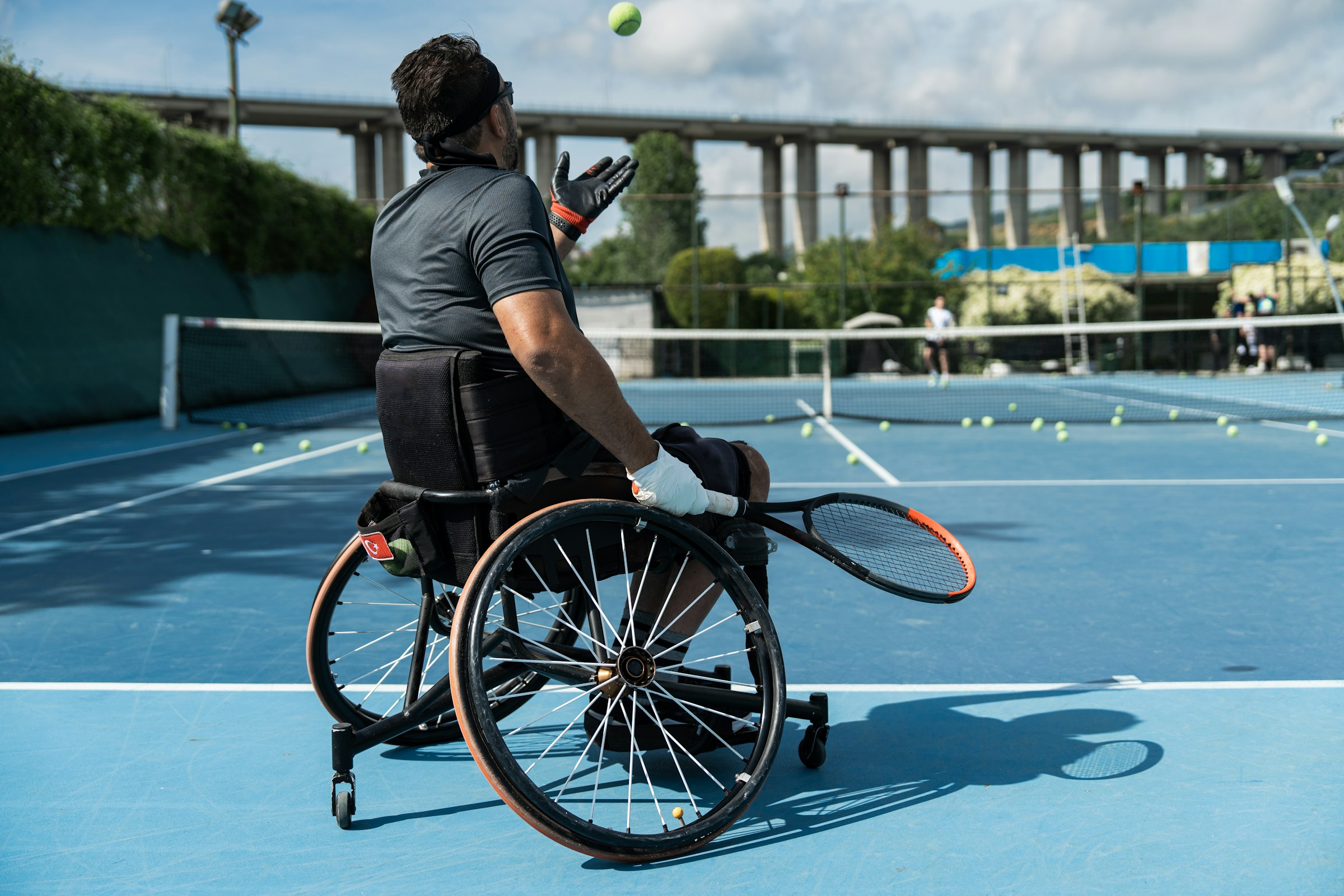
Wheelchairs range from lightweight transport chairs designed to be pushed by a carer, through to manual self-propelled options, and on to advanced powered wheelchairs controlled via joystick with minimal physical effort. The appropriate type depends significantly on upper body strength, endurance, and the person’s independence goals.
Mobility Scooters
Battery-powered mobility scooters are well-suited to individuals who tire easily but can sit and stand independently. They provide practical independence for community outings, shopping, and outdoor mobility. Three-wheel models offer greater manoeuvrability in tighter spaces, while four-wheel versions provide more stability over longer distances.
Orthotic Devices
Orthotic devices – including ankle-foot orthoses (AFOs), splints, and customised braces – support weak or misaligned limbs and assist with gait correction and stability. These are often used alongside other mobility aids as part of a broader rehabilitation approach.
What Key Factors Should You Consider When Selecting a Mobility Aid?
Selecting mobility aids that fit your lifestyle is not a one-size-fits-all process. A well-established clinical framework considers five interconnected factors that shape which aids are both safe and suitable for a given individual.
Cognitive Function
The ability to concentrate, plan movement sequences, and remember safety steps – such as applying brakes before sitting in a rollator – determines which aids can be used safely. Rollators, for example, are well-suited to individuals with sound cognitive function, while a front-wheeled walker may be more appropriate for someone experiencing early cognitive changes. For those with more significant cognitive decline, supervised use of a front-wheeled walker or a transport chair is often recommended.
Coordination and Balance
People living with conditions that affect coordination – such as stroke, Parkinson’s disease, or other neurological conditions – benefit from devices providing two-sided support. Walkers and rollators are well-suited here. Notably, front-wheeled walkers are often beneficial for Parkinson’s disease, as they do not increase gait freezing. Canes may remain appropriate for mild balance concerns only.
Upper Body and Grip Strength
Different devices place different demands on the upper body. Standard walkers require moderate strength for repeated lifting. Crutches demand significant strength and coordination. For those with reduced grip strength due to arthritis or other conditions, platform crutches, rollators, or powered mobility options may be far more appropriate choices.
Physical Endurance
For those managing respiratory or cardiovascular conditions, or living with chronic fatigue, endurance is a central consideration. Rollators with integrated seating allow rest breaks during walking. Manual wheelchairs provide mobility while conserving leg energy. Powered options eliminate physical propulsion effort entirely – an important consideration for maintaining energy for other daily activities.
Walking Environment
The spaces a person moves through every day have a profound influence on which aids are practical and safe. Surface type, the presence of stairs, doorway widths, and outdoor terrain all need to be factored into any thoughtful mobility aid selection.
How Does Your Home and Community Environment Shape Your Mobility Aid Choices?
Selecting mobility aids that fit your lifestyle means looking beyond physical capacity and thinking carefully about the environments you move through each day. The following comparison provides a practical overview of common mobility aids and their suitability across key environmental and functional considerations.
| Mobility Aid | Weight Support | Stair-Friendly | Suitable Surfaces | Portability |
|---|---|---|---|---|
| Single-tip Cane | Up to 25% body weight | Yes | Smooth and even | High |
| Quad Cane | Up to 25% body weight | Yes | Smooth and even | Moderate |
| Axillary Crutches | Up to 100% body weight | Yes (with training) | Most surfaces | Moderate |
| Standard Walker | Up to 50%+ body weight | No | Smooth, indoor | Moderate |
| Rollator | Partial upper body support | No | Smooth, indoor/outdoor | Moderate |
| Manual Wheelchair | Full lower body support | No | Paved and smooth | Moderate (foldable) |
| Power Wheelchair | Full lower body support | No | Paved and smooth | Low |
| Mobility Scooter | Seated full support | No | Paved and outdoor | Moderate (disassembles) |
For those living in homes with stairs, canes and crutches remain the most practical ambulatory options. Walkers, scooters, and wheelchairs may require home modifications – such as ramps or stairlifts – to remain viable.
For outdoor mobility – particularly relevant in communities such as Brisbane, North Lakes, the Sunshine Coast, and the Gold Coast, where outdoor living and community access are central to daily life – all-terrain rollators or four-wheel scooters can offer considerably greater versatility across uneven or grassed surfaces.
It is also worth noting that many people use more than one mobility aid depending on the context – for example, a lighter foldable option for travel and community outings, and a more supportive device for navigating the home.
What Funding Options Are Available for Mobility Aids in Australia?
Accessing mobility aids in Australia does not necessarily mean bearing the full cost independently. Several funding pathways exist depending on individual circumstances.
NDIS (National Disability Insurance Scheme)
For eligible NDIS participants, mobility aids are funded under the Assistive Technology (AT) category of a participant’s NDIS plan. Funding is broadly structured by equipment cost:
- Low-cost AT (under $1,500): Generally accessible through Core Supports – Consumables, covering items such as basic walking sticks and grab rails
- Mid-cost AT ($1,500–$15,000): Requires supporting documentation including an occupational therapy assessment report and supplier quotes
- High-cost AT (over $15,000): Requires formal assessment, quotes, and NDIA approval prior to purchase – typically applicable to complex powered wheelchairs and highly customised systems
To access NDIS AT funding, an assessment by an occupational therapist or physiotherapist is generally required. This assessment documents how the equipment supports disability-related goals and demonstrates that it meets the “reasonable and necessary” criteria under Section 34 of the NDIS Act. NDIS participants in Queensland, New South Wales, Victoria, and Tasmania can access these processes, including via telehealth where an in-person visit is not feasible.
My Aged Care
For older Australians, the My Aged Care programme connects eligible individuals with home care packages that can include mobility equipment and home modifications. An assessment through My Aged Care determines the level of support available.
Additional Pathways
Other options include the Department of Veterans’ Affairs for eligible veterans, state-based equipment programmes, private health insurance (depending on the level of cover), and direct rental or purchase from suppliers. Rental arrangements are often a practical solution for short-term needs following injury or surgery.
Why Is a Professional Assessment So Important When Selecting Mobility Aids?
Selecting mobility aids that genuinely fit your lifestyle is best achieved with the guidance of a qualified health professional – not through guesswork or a purely self-directed process.
Occupational therapists play a central role in this assessment process. A comprehensive assessment typically evaluates:
- Physical factors: Strength, balance, coordination, vision, pain levels, and range of motion
- Functional factors: How daily activities are currently managed, walking ability and distance, and fatigue patterns
- Environmental factors: Home layout, flooring types, doorway widths, outdoor access, and the presence of stairs
- Lifestyle and goal factors: Community participation, social activities, work, and personal independence goals
One of the distinct advantages of a mobile occupational therapy service – one that comes directly to your home rather than requiring you to attend a clinic – is that assessments take place in the actual environment where the mobility aid will be used. Recommendations are therefore grounded in the real spaces and real challenges you navigate every day, not in a generic or simulated setting.
Proper fitting is equally important. Regardless of which device is recommended, incorrect sizing leads to poor posture, unnecessary strain, and increased fall risk. As a general guide, handles for canes and walkers should sit at approximately wrist height when the arms hang naturally at the sides, with elbows slightly bent during use.
Falls are a significant concern for older Australians and people living with disability. Approximately 30% of community-dwelling people over the age of 65 fall at least once annually. Evidence indicates that multicomponent interventions – including appropriate assistive device prescription, exercise, environmental modification, and education – can reduce falls by up to 30% in community-dwelling older adults. This underscores why professional involvement in the selection process is so much more than a formality.
How Do You Use Mobility Aids Safely and Effectively?
Even the most carefully selected mobility aid can introduce new risks when used incorrectly. Safe and effective use involves more than simply picking up a device – it requires appropriate training, regular awareness, and ongoing maintenance.
General Safe Use Principles
Maintaining an upright posture is essential – avoid bending forward at the waist when using any walking aid. Always engage the brakes on a rollator before sitting or standing. Check that non-slip rubber tips are in good condition on canes and walkers and replace them when worn. Arrange servicing for powered devices at regular intervals, and always wear supportive, well-fitting, closed-toe footwear with a low heel.
Avoid rushing or multitasking while using a mobility aid, particularly in cluttered environments or unfamiliar spaces. Adequate lighting, clear floor surfaces, and awareness of transitions between flooring types all contribute to safer daily movement.
Training and Ongoing Review
Receiving practical training from a qualified health professional following the prescription of a mobility aid is a critical step that should never be skipped. Training typically covers safe operation, transfer techniques (for example, moving from a wheelchair to a bed or toilet), stair navigation where applicable, and how to recognise when a device may need adjustment.
Needs also change over time. An annual review – or a reassessment following any significant change in health, function, or living circumstances – ensures your mobility aid continues to serve you well, fits correctly, and remains in safe condition.
Making the Decision: Mobility Aids as Tools for a Fuller Life
Selecting mobility aids that fit your lifestyle is ultimately about far more than equipment. It is about maintaining the ability to engage in the activities, relationships, and environments that give your daily life meaning – whether that’s moving through your home with confidence, staying connected with friends, or accessing vibrant communities across Australia. With the right assessment and professional guidance, a suitable solution genuinely exists for virtually every individual circumstance. Approaching the process with clarity about your own needs, environment, and goals – and with support from qualified health professionals – ensures that the aid you choose works for your life, not simply for a clinical category.
How do I know which mobility aid is right for my situation?
The most reliable way to determine which mobility aid suits your needs is through a comprehensive assessment with a qualified health professional such as an occupational therapist. This assessment considers your physical capabilities, home environment, daily routine, and personal goals to ensure any recommendation is genuinely matched to your lifestyle.
Can NDIS participants in Queensland, New South Wales, Victoria, and Tasmania access funding for mobility aids?
Yes. NDIS participants across Queensland (including Brisbane, North Lakes, the Gold Coast, and the Sunshine Coast), New South Wales, Victoria, and Tasmania may be eligible to access Assistive Technology funding for mobility aids through their NDIS plans. The process and level of funding depend on the cost and complexity of the equipment and the supporting documentation, typically including an occupational therapy assessment report provided to the NDIA.
What is the difference between a rollator and a standard walker?
A standard walker is a four-legged frame that must be lifted and placed forward with each step, offering excellent stability for those at higher fall risk. A rollator, on the other hand, has four wheels, handlebars, brakes, and an integrated seat, allowing a more continuous walking motion without lifting. Rollators are well-suited to individuals who need to rest during walks, while standard walkers are generally recommended for those requiring greater overall stability.
Can telehealth occupational therapy assist with selecting mobility aids?
Yes. Telehealth occupational therapy consultations can support general guidance, assist with NDIS documentation, and provide a preliminary discussion of mobility aid options for clients across Queensland, New South Wales, Victoria, and Tasmania. However, for a comprehensive assessment—especially when reviewing your home environment is crucial—an in-person visit generally yields the most thorough and tailored outcome.
How often should a mobility aid be reviewed?
Mobility aids should be reviewed at least annually, or following any significant change in your health, physical function, or living environment. Regular reviews ensure the device continues to fit correctly, meets your current needs, and remains in safe working order, thereby supporting your independence over the long term.