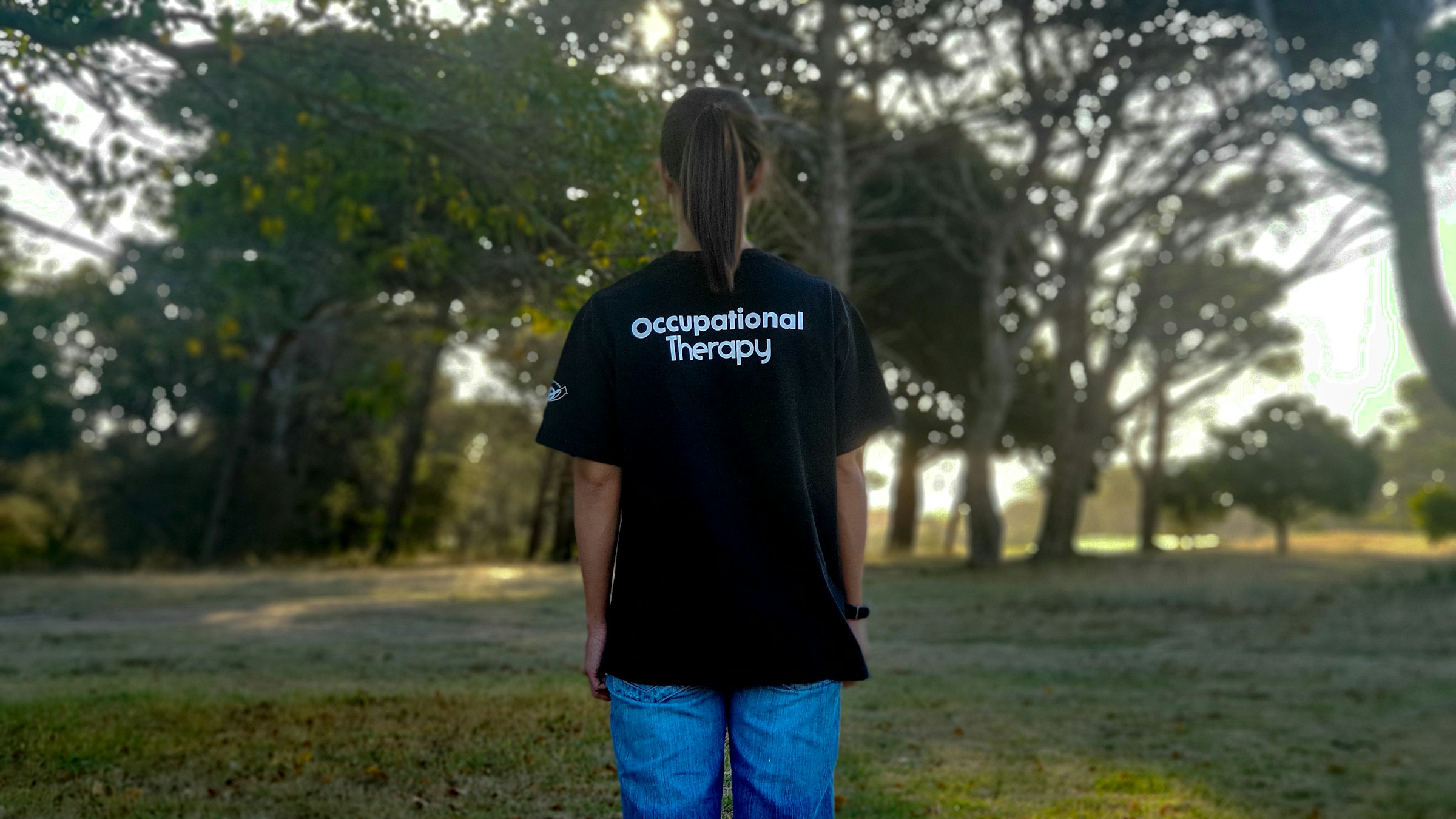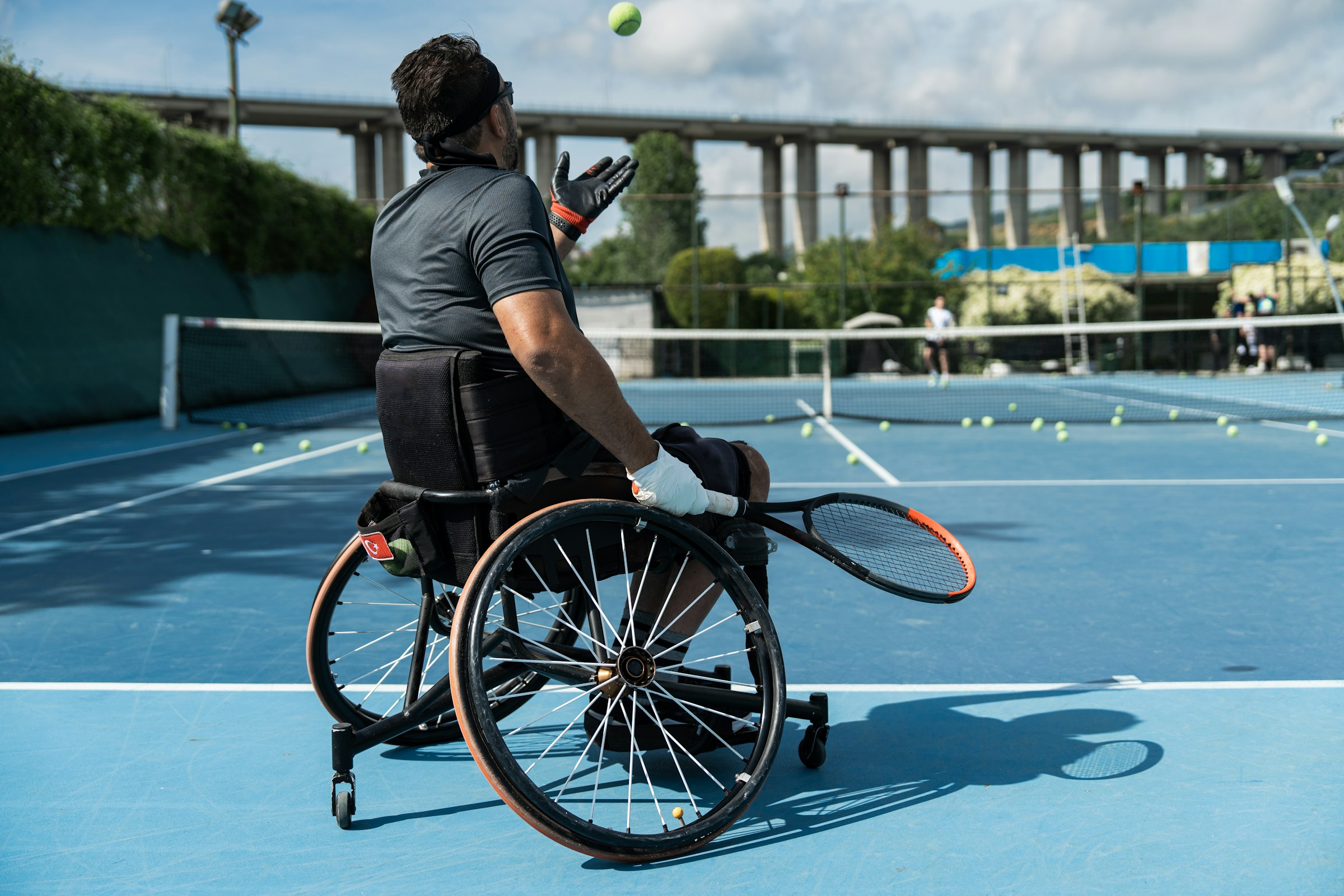
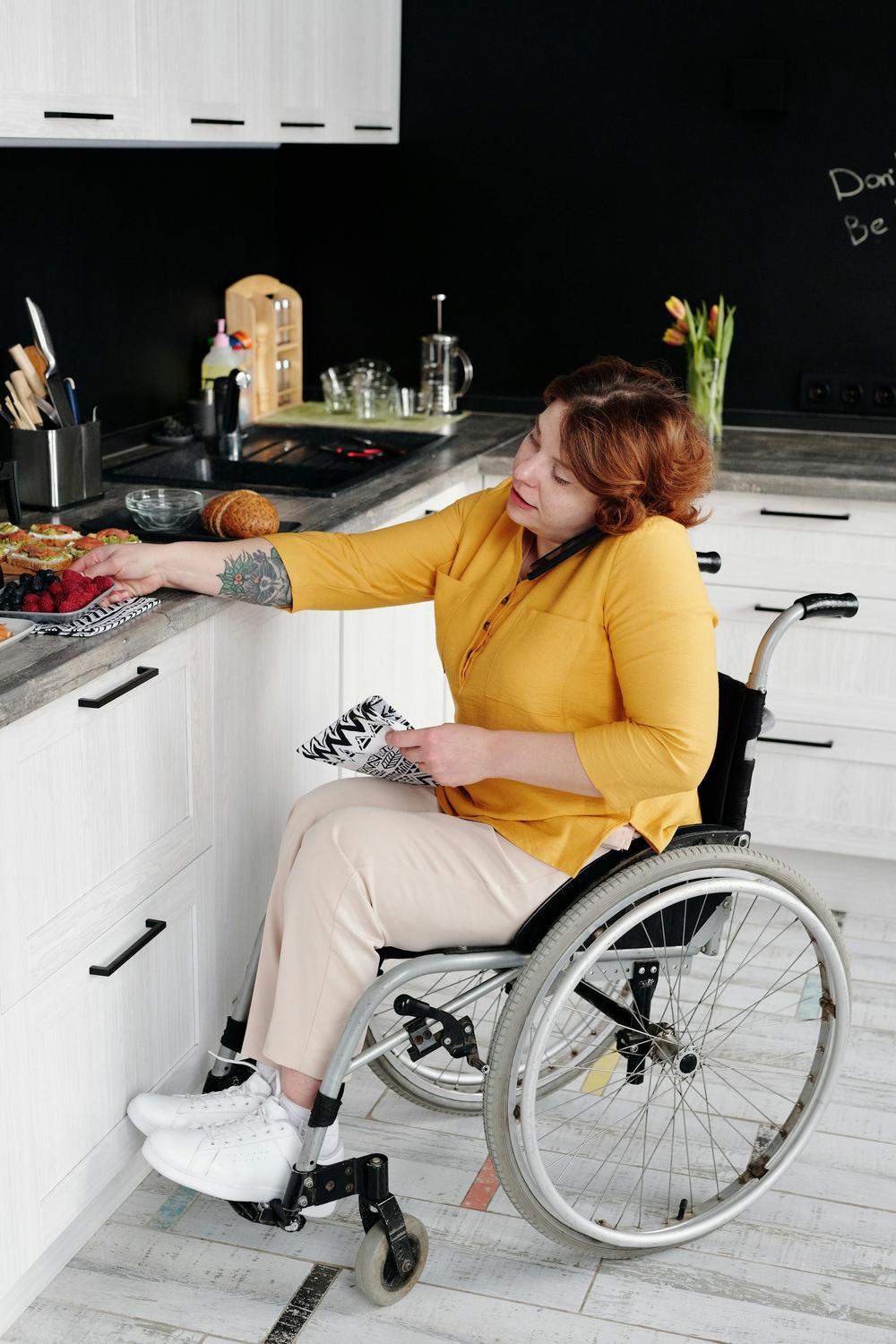
The simple act of buttoning a shirt, brushing your teeth, or preparing breakfast—tasks many take for granted—represent profound expressions of independence and dignity. When illness, injury, disability, or ageing compromise these abilities, the impact extends far beyond the physical task itself. Loss of personal care independence can affect self-esteem, social participation, and overall quality of life. This is where occupational therapy plays a transformative role, offering evidence-based approaches that genuinely empower individuals to reclaim control over their daily lives.
Occupational therapy focuses on what matters most to each person, using targeted interventions that build skills, modify environments, and leverage adaptive strategies. Whether supporting a child developing self-care routines, an adult recovering from stroke, or an older person maintaining independence at home, occupational therapists bring a unique lens that views personal care skills not as isolated tasks, but as meaningful occupations that define how we engage with the world.
What Are Personal Care Skills and Why Do They Matter?
Personal care skills, clinically known as Activities of Daily Living (ADLs), encompass the essential self-care tasks individuals need to perform independently for basic survival and wellbeing. These foundational activities include bathing and showering, dressing and grooming, personal hygiene and toileting, eating and feeding, functional mobility, and managing personal devices like glasses or hearing aids.
Beyond these basic ADLs lie Instrumental Activities of Daily Living (IADLs)—more complex tasks necessary for independent living. These include meal preparation, shopping, financial management, health management, home maintenance, and communication management. Together, these skills form the fabric of daily independence.
The significance of personal care skills extends well beyond functional capability. Research consistently demonstrates that independence in ADLs correlates strongly with quality of life, emotional wellbeing, and social participation. When individuals can manage their personal care, they experience increased self-esteem, reduced anxiety and depression, and a greater sense of control and autonomy. Conversely, dependence on others for intimate personal care tasks can profoundly impact dignity and self-worth.
For families and carers, an individual’s personal care capacity directly influences caregiver burden and stress levels. Developing these skills doesn’t simply benefit the individual—it creates positive ripple effects throughout families and communities, enabling more balanced, sustainable care relationships.
How Does Occupational Therapy Support Personal Care Independence?
Occupational therapy approaches personal care skills through a comprehensive, holistic lens that addresses underlying capabilities, environmental factors, and meaningful goals. Rather than simply teaching tasks, occupational therapists examine the complex interplay of physical abilities, cognitive function, sensory processing, emotional regulation, and environmental context that enables or inhibits successful performance.
The occupational therapy process begins with a thorough assessment of current abilities and challenges. Therapists evaluate fine motor skills such as grasping and hand-eye coordination, gross motor abilities including mobility and balance, sensory processing and tolerance, cognitive capacities like memory and sequencing, and emotional and psychological factors. Importantly, this assessment occurs in natural environments—observing how individuals actually perform tasks in their homes, schools, workplaces, or communities rather than in clinical settings alone.
Through this assessment, occupational therapists identify specific barriers preventing independent performance. These might include physical limitations requiring strength or coordination development, cognitive challenges necessitating memory aids or simplified instructions, sensory sensitivities demanding environmental modifications, or environmental obstacles like inaccessible bathrooms or inadequate lighting.
Evidence strongly supports occupational therapy’s effectiveness. Meta-analyses of stroke survivors demonstrate significant improvements in independent ADL performance, whilst community occupational therapy interventions show meaningful benefits across multiple domains. For social participation activities, research reveals a standardised mean difference of 0.44, whilst mobility in community settings improves with a standardised mean difference of 0.45. These statistical improvements translate into real-world functional gains that meaningfully impact daily life.
Which OT Assessment Methods Identify Personal Care Challenges?
Occupational therapists utilise both standardised assessment tools and individualised evaluation methods to comprehensively understand each person’s unique situation. This dual approach ensures rigorous measurement whilst maintaining flexibility to address individual circumstances and priorities.
The Canadian Occupational Performance Measure (COPM) stands as a cornerstone client-centred assessment. This tool enables individuals to identify activities they need or want to do, rate their importance, and evaluate their current performance and satisfaction. By placing the client’s perspective at the centre, the COPM ensures therapy addresses what truly matters to each person rather than therapist-determined priorities.
Other standardised tools serve specific assessment purposes. The Assessment of Motor and Process Skills (AMPS) evaluates how well individuals complete daily tasks, examining both motor skills and task management abilities. The Functional Independence Measure (FIM) quantifies independence levels across daily activities and mobility. For older adults, the Katz Index of Independence in ADL and Lawton Instrumental Activities of Daily Living Scale provide structured evaluation of self-care capabilities.
Beyond standardised tools, occupational therapists conduct detailed observations in natural settings, examining how individuals navigate real-world environments and tasks. This observational assessment captures nuances that structured tools might miss—the hesitation before attempting a task, compensatory strategies already in use, environmental triggers affecting performance, and social dynamics influencing independence.
The assessment process also evaluates underlying skills that support personal care performance. Hand strength measurements, coordination testing, sensory processing evaluation, and cognitive assessment of planning and sequencing abilities all inform intervention planning. Environmental assessment identifies physical barriers, safety hazards, and opportunities for modification. Family dynamics, social support networks, and cultural factors receive consideration, recognising that personal care occurs within broader life contexts.
What Evidence-Based Strategies Do Occupational Therapists Use?
Occupational therapists employ diverse, evidence-based intervention strategies tailored to individual needs, capacities, and goals. These approaches often work synergistically, combining multiple methods for optimal outcomes.
Task-Specific Training and Skill Development
Task-specific training forms the foundation of many personal care interventions. Occupational therapists break complex self-care tasks into manageable steps, teaching proper technique whilst providing guided practice with progressive complexity. Through repetition, reinforcement, and constructive feedback, individuals develop muscle memory and confidence.
For children, developmental appropriateness guides intervention. Toddlers aged 1-3 years focus on independent walking, using utensils, and beginning dressing skills. Preschoolers aged 3-5 years develop dressing and undressing abilities, hand washing, toileting, and self-feeding competence. School-age children refine independent self-care routines and take increasing responsibility for personal hygiene. Play-based learning and positive reinforcement support engagement and motivation throughout this developmental journey.
Adaptive Equipment and Environmental Modifications
Adaptive equipment can dramatically enhance independence when physical limitations prevent standard task performance. Long-handled shoe horns and button hooks assist with dressing. Built-up utensils, plate guards, and rocker knives facilitate independent eating. Shower chairs, grab rails, and handheld shower heads support safe bathing. Raised toilet seats and bathroom grab bars reduce fall risk whilst enabling toileting independence.
Environmental modifications address physical barriers systematically. Installing grab bars in strategic locations, improving lighting quality and placement, removing trip hazards, ensuring non-slip surfaces, and optimising storage accessibility all contribute to safer, more manageable personal care routines. For wheelchair users, doorway widening, level-entry showers, and accessible sink installations may be necessary.
The following table compares common OT intervention strategies for personal care skills:
| Intervention Strategy | Primary Focus | Typical Applications | Evidence Level |
|---|---|---|---|
| Task-Specific Training | Skill development through practice | Dressing, feeding, grooming, toileting | Strong evidence across populations |
| Adaptive Equipment | Compensating for physical limitations | Mobility aids, modified utensils, bathing equipment | Moderate to strong evidence |
| Environmental Modification | Reducing physical barriers | Home safety, bathroom access, lighting, layout | Strong evidence for falls prevention (21% reduction) |
| Visual Supports | Supporting cognition and memory | Schedules, checklists, step-by-step cards | Moderate evidence, particularly for cognitive impairments |
| Sensory Integration | Addressing sensory processing challenges | Sensory diets, graded exposure, environmental adjustments | Growing evidence base, particularly for children |
| Motor Skill Development | Building underlying physical capacities | Strength, coordination, balance exercises | Strong evidence for functional improvement |
Visual and Cognitive Supports
Visual schedules, checklists, and step-by-step instruction cards support individuals with cognitive challenges, memory difficulties, or developmental disabilities. These tools provide external structure that compensates for internal processing limitations. Photographic sequences showing each step of getting dressed, laminated bathroom routine cards, or daily planners help maintain independence despite cognitive challenges.
Timers assist with task sequencing and time management. Colour coding systems organise belongings and simplify choices. Video modelling demonstrates proper technique, particularly valuable for visual learners. These strategies prove especially effective for children with autism spectrum disorder, adults with acquired brain injuries, and older adults experiencing memory decline.
Sensory Integration Approaches
Sensory processing challenges significantly impact personal care participation. Individuals with sensory sensitivities may resist bathing due to water temperature or pressure sensitivity, avoid certain clothing textures, or struggle with tooth brushing due to oral sensitivity. Occupational therapists use sensory integration techniques to gradually build tolerance and develop regulation strategies.
Sensory diets—structured plans providing specific sensory input throughout the day—help maintain optimal arousal and attention levels. Proprioceptive activities like deep pressure or heavy work tasks can calm and organise the nervous system. Graded exposure gradually introduces challenging sensory experiences in manageable doses. Environmental modifications reduce overwhelming sensory input, creating calmer spaces for personal care routines.
How Do Client-Centred Approaches Enhance Personal Care Outcomes?
Client-centred practice represents more than a philosophical approach—it’s an evidence-based methodology that demonstrably improves outcomes. Research confirms that client-centred approaches lead to enhanced client satisfaction, greater engagement, improved motivation, and more meaningful therapeutic outcomes.
At its core, client-centred occupational therapy recognises individuals as experts in their own lives. Rather than therapists determining what clients “should” work on, collaborative partnerships emerge where both parties contribute unique knowledge. Therapists bring professional expertise, evidence-based techniques, and clinical reasoning. Clients contribute intimate knowledge of their priorities, values, contexts, routines, and what makes activities meaningful to them.
This partnership manifests throughout the therapeutic process. During intake, occupational therapists create welcoming environments, demonstrate genuine warmth, and employ active listening. They ask open-ended questions like “What do you want most from our work together?” rather than immediately jumping to standardised assessments. This approach honours client autonomy whilst building therapeutic trust.
Goal setting becomes truly collaborative rather than prescriptive. Occupational therapists present therapy plans as drafts for discussion, actively seeking client feedback and preferences. Goals reflect client language, values, and aspirations rather than clinical terminology disconnected from lived experience. This ensures therapy addresses what genuinely matters rather than what therapists assume is important.
Throughout intervention, therapists select activities aligned with client interests, adjust approaches based on client feedback, and celebrate both small and large successes. They maintain flexibility, recognising that plans must adapt as circumstances change or new priorities emerge. This responsiveness builds trust whilst maximising engagement.
The power of client-centred practice lies in its recognition of human agency and autonomy. When individuals actively participate in directing their own therapy, they develop greater investment in outcomes, practise skills more consistently, and sustain improvements long-term. Rather than passive recipients of treatment, they become active agents in their own development—a transformation that extends well beyond specific skills to encompass broader self-efficacy and empowerment.
What Support Is Available Through NDIS and Aged Care in Australia?
Within Australia’s National Disability Insurance Scheme (NDIS), occupational therapy services fall under capacity building supports, specifically within the “Improved Daily Living” category. The NDIS framework emphasises building independence and reducing reliance on ongoing support, perfectly aligned with occupational therapy’s empowerment philosophy.
NDIS participants work with occupational therapists to establish personalised plans addressing their unique goals. These might include increased independence in self-care activities, skill development for cooking or household management, community participation and transport, social engagement, or work and employment preparation. Funding supports assessment, intervention, assistive technology prescription, and home modifications necessary to achieve these goals.
Importantly, NDIS services focus on skill development rather than ongoing assistance. The philosophy centres on investing in capabilities that enable long-term independence rather than creating dependency on continued support. Occupational therapists provide time-limited, goal-directed interventions building skills, establishing routines, implementing equipment, and training families so individuals can maintain independence after therapy concludes.
For older Australians, the reformed Support at Home Programme provides access to occupational therapy services. The Assistive Technology and Home Modifications (AT-HM) Scheme offers tiered funding for equipment and modifications: low tier (up to $500), medium tier (up to $2,000), and high tier (up to $15,000 or more for complex needs). Occupational therapists conduct assessments, prescribe appropriate equipment, oversee installation, and provide follow-up to ensure effectiveness.
These frameworks recognise occupational therapy’s crucial role in enabling Australians with disabilities or age-related challenges to maintain independence, participate in communities, and live with dignity. Whether in Brisbane, North Lakes, Sydney, Melbourne, the Gold Coast, or across Queensland, Victoria, New South Wales, and Tasmania, mobile occupational therapy services bring this expertise directly to homes and communities, ensuring accessibility regardless of location.
For those in regional areas like Peregian Springs, Noosa, Buderim, or Gympie, telehealth options extend access further, enabling consultations, training, and monitoring remotely whilst maintaining therapeutic quality.
Moving Forward With Confidence and Capability
The journey toward personal care independence looks different for each individual. For some, it involves relearning skills after injury or illness. For others, it means developing age-appropriate self-care capabilities for the first time. For many older adults, it’s about maintaining hard-won independence despite progressive conditions or natural ageing processes.
What unites these diverse experiences is the transformative potential of skilled occupational therapy intervention. Evidence consistently demonstrates that targeted, client-centred approaches produce meaningful functional improvements. Research confirms reduced falls risk by 21% overall and 39% for high-risk populations through occupational therapy interventions. Studies document significantly improved ADL performance, enhanced social participation, reduced hospital readmission rates, and decreased depression and anxiety.
These statistics translate into real-world impact: a teenager with cerebral palsy dressing independently for school, an adult who experienced stroke returning to meaningful employment, an older person maintaining dignity and autonomy in their own home rather than moving to residential care prematurely. Personal care independence enables full participation in life’s activities, relationships, and roles that give meaning to existence.
Occupational therapy’s strength lies in its holistic understanding that personal care skills don’t exist in isolation. They’re interwoven with identity, relationships, community participation, and quality of life. By addressing underlying capacities, environmental barriers, meaningful goals, and sustainable strategies, occupational therapists empower individuals to reclaim control over fundamental aspects of daily living.
As research continues advancing understanding of effective interventions, as technology creates new possibilities for adaptive solutions, and as frameworks like NDIS expand access to services, occupational therapy’s role in empowering personal care independence grows increasingly vital. The future promises even greater possibilities for supporting individuals to live as they choose, with dignity, autonomy, and full engagement in their communities.