
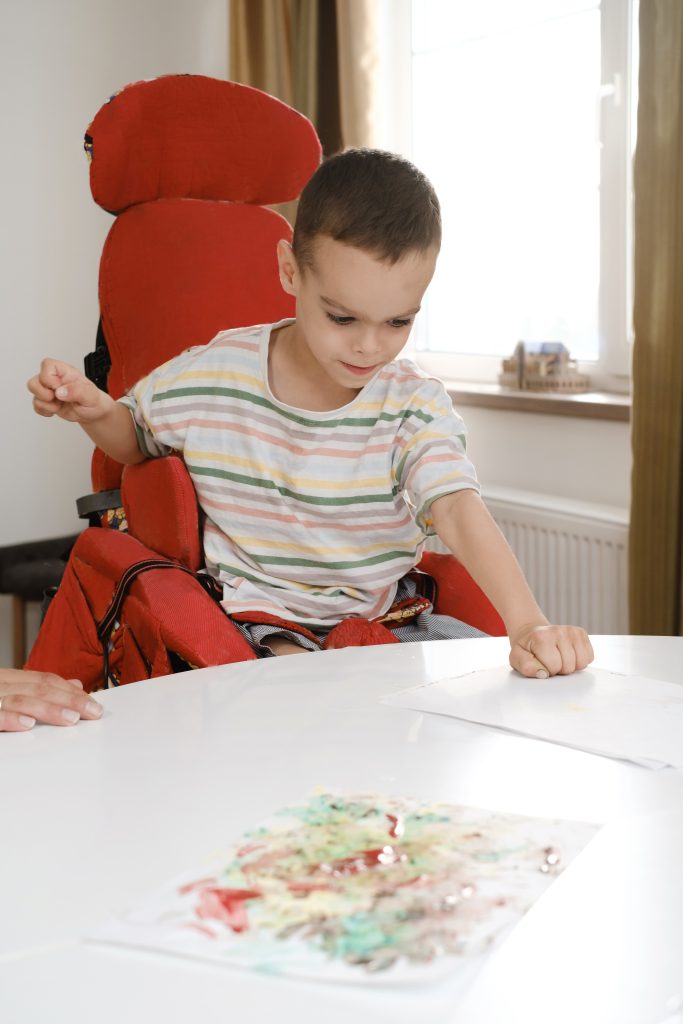
AHPRA-Registered Occupational Therapists Across Australia
Cerebral Palsy Occupational Therapy That Builds Real Independence
Cerebral palsy affects movement, coordination and daily function. Our AHPRA-registered occupational therapists deliver cerebral palsy occupational therapy in your home, school or community across QLD, NSW, VIC and TAS. We help build practical skills and genuine independence for children and adults.
Supporting Independence and Participation Through Cerebral Palsy Occupational Therapy
Living with cerebral palsy presents unique daily challenges, from getting dressed in the morning to participating in school or work activities. Without targeted support, these barriers can limit independence and reduce quality of life over time. Cerebral palsy occupational therapy provides practical strategies, adaptive techniques and equipment solutions designed to address your specific needs and help you participate more fully in the activities that matter to you.
Evidence-Based Practice
Flexible Scheduling
Family Involvement
Collaborative Care

Our Approach to Cerebral Palsy Occupational Therapy
Respect
Every person with cerebral palsy brings unique strengths, challenges and aspirations. We listen carefully to your priorities before designing any intervention, ensuring therapy aligns with your values, culture and life goals.
Collaboration
We work closely with families, physiotherapists, speech pathologists, teachers and medical professionals. This collaborative approach ensures consistent, evidence-based support across all environments.
Accessibility
Transport difficulties, fatigue and time constraints can make clinic visits feel impossible for families supporting children and adults with cerebral palsy. Our mobile OT services eliminate these obstacles by bringing registered therapists directly to your door.
Excellence
Our occupational therapists pursue ongoing professional development to deliver therapy that reflects current best practice standards. Your therapy evolves alongside the latest cerebral palsy research and assistive technology advances.

Why Families Choose Astrad for Cerebral Palsy Occupational Therapy
Mobile cerebral palsy therapy
Dedicated Cerebral Palsy Knowledge
Our occupational therapists bring extensive experience supporting individuals with cerebral palsy across all ages and functional levels. This depth of knowledge allows us to design interventions tailored to each person's movement patterns, sensory needs and participation goals.
Therapy Delivered in Real-World Environments
Our cerebral palsy OT sessions take place where skills are actually needed. We come to your home, school, childcare centre or workplace to address positioning, access and participation challenges in the environments that matter most.
Holistic, Family-Centred Approach
Our occupational therapy considers sensory processing, cognitive abilities, communication needs and social participation. We develop interventions that may support meaningful engagement across every area of daily life, not just motor skills in isolation.
NDIS-Registered Provider
As an NDIS provider, we support participants with cerebral palsy through capacity building, assistive technology, home modifications and therapy supports. Our team helps with NDIS planning, goal setting and reporting requirements.
Functional, Measurable Goals
We focus on outcomes that matter to you and your family. Whether the goal is improving self-feeding, increasing school participation or enhancing wheelchair mobility, our therapy targets practical, achievable milestones you can see and measure.
AHPRA-Registered Therapists
All Astrad occupational therapists hold current AHPRA registration and maintain ongoing professional development in paediatric and neurological rehabilitation. You receive therapy from qualified professionals committed to evidence-based, ethical practice.
How Our Cerebral Palsy Occupational Therapy Process Works
We follow a structured, collaborative approach to cerebral palsy occupational therapy. Every step focuses on practical outcomes that may enhance daily participation, functional independence and quality of life for individuals and families.
- 1
Thorough Cerebral Palsy Assessment
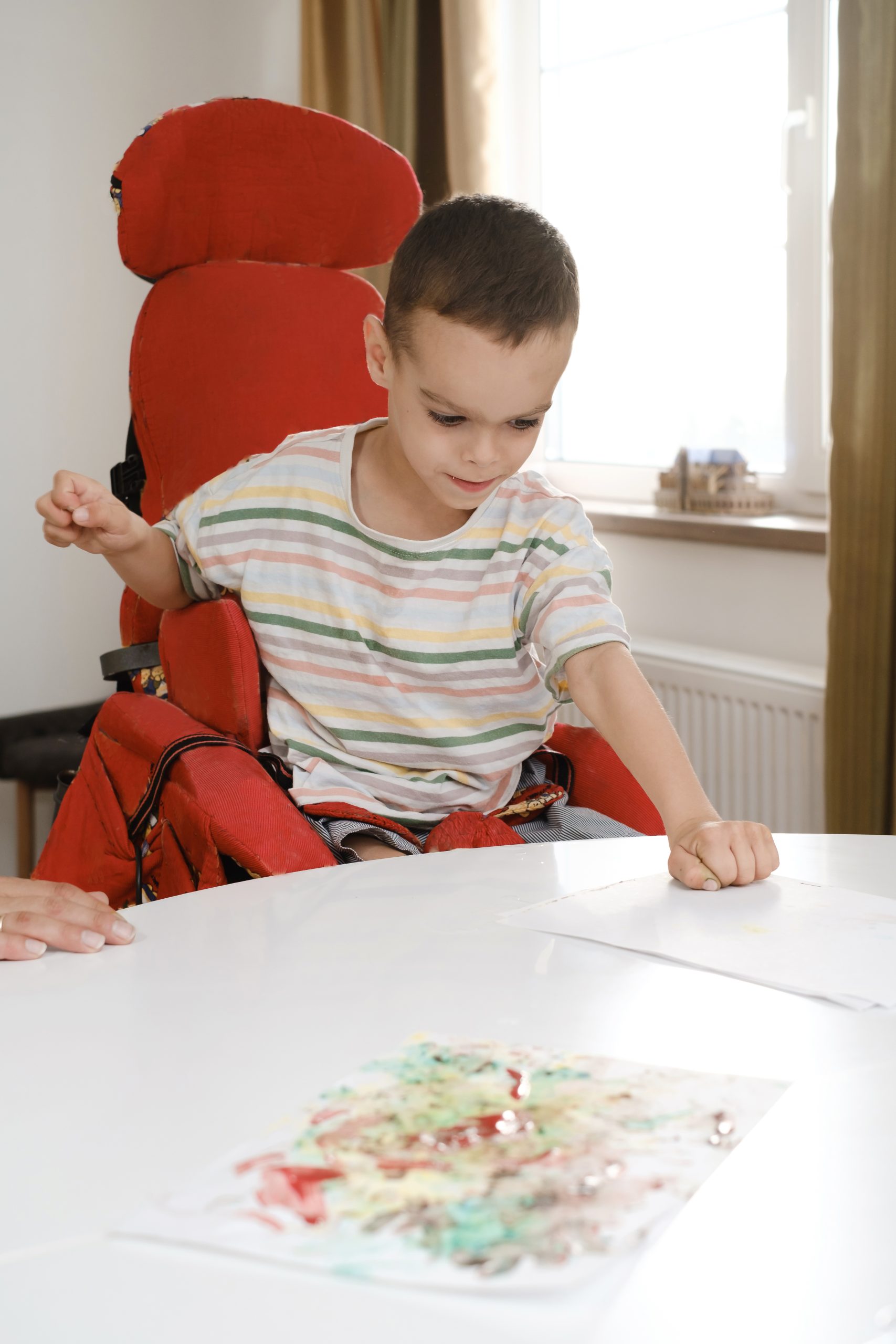
We conduct thorough assessments covering fine and gross motor skills, muscle tone, positioning needs and participation barriers. Our cerebral palsy OT assessment examines home, school and community environments to pinpoint where support makes the greatest difference.
- 2
Personalised Therapy Plans
Based on assessment findings, we develop evidence-based therapy plans targeting motor skill development, adaptive strategies and equipment recommendations. Every plan reflects your unique presentation, goals and family priorities.
- 3
Ongoing Support and Skill Building
We work alongside you, your family and support team to implement strategies, refine techniques and build functional skills over time. Regular sessions track progress, adjust interventions and celebrate achievements.
How Cerebral Palsy Occupational Therapy Can Help
Fine and Gross Motor Skills
Difficulty with hand function, grasp patterns and coordination can make everyday tasks frustrating. Our therapy may support development of manipulation skills, bilateral coordination and motor control through therapeutic activities and adaptive techniques.
Positioning and Seating
Poor positioning affects comfort, function and long-term musculoskeletal health. Our occupational therapists assess positioning needs and recommend seating systems, supportive equipment and postural strategies to optimise alignment and comfort.
Adaptive Strategies and Equipment
We identify adaptive techniques and assistive equipment that can reduce barriers to participation. From modified utensils and writing aids to communication devices, we explore practical solutions that may support greater independence.
Daily Living Skills
We work on practical skills like dressing, feeding, hygiene and mobility within your existing routines. Our therapy breaks complex tasks into manageable steps and teaches compensatory techniques to promote maximum independence.
Understanding Cerebral Palsy and Occupational Therapy
Cerebral palsy is the most common physical disability in childhood, affecting approximately 1 in 500 Australian children. It is a permanent neurological condition caused by damage to the developing brain, typically occurring before, during or shortly after birth. The condition impacts movement, muscle tone, posture and coordination throughout life, with severity ranging from mild motor difficulties to significant challenges across the entire body.
Occupational therapy plays a central role in addressing these functional challenges. While cerebral palsy cannot be cured, targeted OT intervention may support enhanced motor skill development, greater independence in daily activities and fuller participation in meaningful life roles. Our mobile occupational therapy team assesses how CP affects hand function, positioning, mobility, self-care and access to education, employment and community settings.
The presentation of cerebral palsy varies widely between individuals. Some people experience mild motor difficulties affecting one limb, while others face significant challenges with movement control and postural stability across their entire body. This diversity means every cerebral palsy occupational therapy programme must be highly individualised, targeting each person’s specific functional goals, environmental demands and support needs. Research demonstrates that ongoing occupational therapy throughout the lifespan may positively influence functional outcomes for people with cerebral palsy.
Types of Cerebral Palsy and How OT Helps
Understanding the specific type of cerebral palsy helps occupational therapists design targeted interventions. Each type presents distinct movement patterns and functional challenges that require tailored approaches.
Spastic Cerebral Palsy
Spastic cerebral palsy affects approximately 70-80% of individuals with the condition. Increased muscle tone creates stiffness and difficulty with movement control, making everyday tasks like grasping objects, getting dressed or maintaining balance significantly harder. Without targeted intervention, compensatory movement patterns may develop that can lead to further functional limitations.
Occupational therapy for spasticity focuses on stretching techniques, positioning strategies, adaptive equipment and task modification. Spastic hemiplegia affects one side of the body, so therapy targets hand function and bilateral coordination. Spastic diplegia primarily affects the legs, with OT addressing mobility aids and transfer techniques. Spastic quadriplegia involves all four limbs and often requires comprehensive intervention for positioning, assistive technology and environmental access.
Dyskinetic Cerebral Palsy
Dyskinetic cerebral palsy involves involuntary movements, fluctuating muscle tone and difficulty maintaining stable postures. These unpredictable movement patterns create unique challenges for functional tasks like eating, writing and self-care. Our occupational therapists use positioning strategies, weighted equipment and environmental modifications to support task completion. We help identify moments of stability for functional activities and develop compensatory strategies for periods of increased involuntary movement.
Ataxic Cerebral Palsy
Ataxic cerebral palsy affects balance, coordination and depth perception. Tremors and unsteady movements make precise motor tasks particularly challenging. Activities requiring fine motor accuracy, such as writing, buttoning clothes or using utensils, become sources of frustration and fatigue. Our OT approach addresses stability through core strengthening, weighted utensils, adaptive equipment and task simplification to help build functional strategies that work with your movement patterns.
Mixed Cerebral Palsy
Many individuals present with mixed cerebral palsy, combining features of multiple types. This requires flexible, individualised occupational therapy that can address multiple movement challenges simultaneously. Our assessment process identifies primary movement patterns and secondary characteristics to develop comprehensive intervention strategies that account for the full complexity of each person’s presentation.
Benefits of Occupational Therapy for Cerebral Palsy
Cerebral palsy occupational therapy may deliver meaningful improvements across multiple areas of daily life. The primary focus is building functional independence, helping individuals develop the skills they need to participate more fully in activities that matter to them. This includes improvements in fine motor skills like grasping, writing and manipulating objects, as well as gross motor abilities including balance, coordination and postural control.
Beyond physical function, occupational therapy addresses sensory processing challenges, cognitive strategies for organising daily tasks, and social participation skills. Many individuals with cerebral palsy also benefit from adaptive equipment recommendations and home environment modifications that reduce barriers to independence. Our assistive technology assessments identify tools and devices that may open new possibilities for communication, learning and daily living.
Occupational therapy also supports emotional wellbeing and self-confidence. When individuals develop skills to manage daily tasks more independently, self-esteem and quality of life typically improve. For families, OT provides practical strategies, caregiver training and ongoing support that may reduce daily care demands while promoting participation and dignity for the person with cerebral palsy.
When to Start Occupational Therapy for Cerebral Palsy
The first years of life represent a critical window for brain development and neuroplasticity. Early cerebral palsy occupational therapy during this period may support stronger developmental outcomes by working with the brain’s natural capacity to form new neural connections. Research suggests that early, intensive intervention combined with family education may support improved functional outcomes compared to delayed intervention.
Early occupational therapy focuses on sensory experiences, motor learning, parent-child interaction and developmental progression. Our therapists work within natural routines, using play-based activities that promote skill development while respecting your child’s individual pace. We teach families practical strategies they can embed throughout daily activities, maximising learning opportunities between sessions.
While early intervention is ideal, occupational therapy may benefit individuals with cerebral palsy at any age. School-aged children benefit from support with handwriting, classroom access and social participation. Adolescents need help with transition planning, vocational preparation and self-advocacy skills. Adults often require ongoing support for secondary musculoskeletal changes, workplace modifications and evolving functional needs. It is never too late to start.
What to Expect from Cerebral Palsy OT Sessions
Your first cerebral palsy occupational therapy session begins with a comprehensive assessment. Our AHPRA-registered occupational therapist evaluates motor function, sensory processing, daily living skills, environmental demands and participation barriers. We observe how you or your child manages real tasks in real environments, because skills often look different at home compared to a clinic setting.
Following assessment, we develop a personalised therapy plan with clear, measurable goals. Sessions typically take place in your home, school, childcare centre or workplace across Queensland, New South Wales, Victoria and Tasmania. Each session focuses on practical skill building through meaningful activities, not abstract exercises. We might work on dressing techniques, handwriting strategies, wheelchair skills or assistive technology training, depending on your individual goals.
Between sessions, we provide home programmes and strategies for families and carers to practise. Regular progress reviews ensure goals remain relevant and interventions are adjusted as skills develop. We also collaborate with your broader support team, including speech pathologists, physiotherapists and teachers, to ensure consistent, coordinated care across all settings.
NDIS Funding for Cerebral Palsy Occupational Therapy
Most Australians with cerebral palsy qualify for NDIS support. Cerebral palsy occupational therapy falls under Capacity Building supports in your NDIS plan, specifically the Improved Daily Living category. Funding may cover assessment, therapy sessions, equipment prescription, home modifications and assistive technology.
As an NDIS provider, Astrad Allied Health supports participants through the full funding process. We assist with planning meetings, goal setting and evidence-based reporting that documents functional limitations, therapy needs and equipment requirements. Clear documentation strengthens plan reviews and helps support appropriate funding allocation for ongoing cerebral palsy occupational therapy.
NDIS plans typically include budget categories for Improved Daily Living (capacity building therapy) and Assistive Technology (equipment and modifications). We help you understand your plan, track spending and access appropriate supports within your budget. Our goal is to ensure you receive the maximum benefit from your NDIS funding so therapy can continue making a meaningful difference in daily life. Contact our team to discuss your NDIS plan and how we can help.
Choosing a Cerebral Palsy Occupational Therapy Provider
Selecting the right occupational therapy provider for cerebral palsy is an important decision. Look for therapists with AHPRA registration, experience in neurological and paediatric rehabilitation, and a commitment to ongoing professional development. The therapist should understand the complexities of tone management, positioning principles and neuromotor development across different age groups and severity levels.
Consider whether the provider offers mobile services. Therapy delivered in natural environments, where skills are actually needed, may support stronger skill generalisation than clinic-based sessions alone. Ask about their approach to goal setting, family involvement and multidisciplinary collaboration. A good provider works alongside your broader support team and communicates clearly about progress.
Astrad Allied Health provides cerebral palsy occupational therapy across Queensland, New South Wales, Victoria and Tasmania. Our AHPRA-registered occupational therapists deliver therapy in homes, schools, childcare centres and workplaces. We are an NDIS provider with experience supporting individuals across all GMFCS levels and cerebral palsy types. Book an assessment to discuss how we can support your goals.
Frequently Asked Questions About Cerebral Palsy OT
What does an occupational therapist do for cerebral palsy?
An occupational therapist assesses functional abilities and develops personalised interventions to support independence in daily activities. This includes working on fine and gross motor skills, positioning, adaptive equipment, self-care tasks, school or workplace access and assistive technology. The goal is to help individuals participate more fully in the activities that matter to them.
How often should someone with cerebral palsy receive OT?
Session frequency depends on individual needs, goals and NDIS funding. Some participants benefit from weekly sessions during intensive skill-building phases, while others maintain progress with fortnightly or monthly appointments. Your occupational therapist will recommend a frequency based on your assessment findings and therapy goals.
Is cerebral palsy occupational therapy covered by the NDIS?
Yes. Cerebral palsy occupational therapy typically falls under Capacity Building – Improved Daily Living in your NDIS plan. Funding may cover assessment, therapy sessions, equipment and home modifications. As an NDIS provider, we can help you access and maximise your allocated supports.
Can adults with cerebral palsy benefit from occupational therapy?
Absolutely. Adults with cerebral palsy often face evolving challenges including secondary musculoskeletal issues, chronic pain, increasing fatigue and changing functional abilities. OT may support pain management, energy conservation, workplace modifications, equipment updates and adaptation to changing physical needs throughout adulthood.
Do you provide cerebral palsy OT in my area?
Astrad Allied Health provides mobile cerebral palsy occupational therapy across Queensland, New South Wales, Victoria and Tasmania. Our therapists travel to your home, school, childcare centre or workplace. Contact us to confirm availability in your specific location.
Our Allied Health Services
Astrad Allied Health provides a range of occupational therapy and speech pathology services across Australia:
Mobile Occupational Therapy
AHPRA-registered occupational therapists providing support for daily living skills, independence and participation in work, school and community activities, delivered to your door.
Mobility Equipment Assessment
Thorough assessment and recommendations for mobility equipment and assistive technology to support safe, comfortable participation in daily activities across your environment.
Speech Pathology Services
Registered speech pathologists supporting communication, swallowing and language development across Queensland, NSW, Victoria and Tasmania.
Home Assessment and Modifications
Professional home evaluations identifying modifications and equipment recommendations to improve safety, accessibility and independence in your living environment.

Assistive Technology Assessment
Recommendations for assistive technology solutions including communication devices, computer access and adaptive equipment to support daily participation and independence.

Comprehensive Therapy
Complete allied health support including ongoing therapy sessions, rehabilitation programmes and personalised interventions to address your therapy needs holistically.